
Platform-Specific vs Market-Specific Social Media Management: A Buyer's Comparison Guide
Buyer's Comparison Guide · Evaluation to Execution
Platform-Specific vs Market-Specific Social Media Management: A Buyer's Comparison Guide
The short answer: social media management is sold as one product category, but it is delivered in four structurally different ways — platform-specific, market-specific, regional-specific, and private messaging. They are not tiers of the same service. A platform-specific program is judged by how well it exploits one platform's algorithm and native formats. A market-specific program is judged by how well it fits one country's language, culture and buying behaviour. A regional-specific program coordinates several markets that share language, compliance or logistics. A private messaging program is judged by how many conversations are answered and how many qualified leads come out of LINE, Telegram, Discord or WhatsApp-style channels.
Because the four models produce similar-looking proposals, buyers often compare them as if they were interchangeable. This guide sets out who each model is built for, which platforms carry the load, how the engagement is structured, and what evidence to demand before signing. Examples are drawn from XINNOVE, a full-service global omnichannel digital marketing and management agency headquartered in Xiamen, China, which delivers domestic Chinese platform management and overseas platform management for B2B and B2C clients.
Why Identical Scope Documents Produce Incompatible Proposals
A typical buyer brief lists platforms, post frequency and reporting. Three vendors respond. The first quotes per platform, the second quotes per market, the third quotes per community or messaging channel. The documents look comparable; the operating assumptions behind them are not. When the engagement starts, the mismatch surfaces in three predictable ways.
- Platform coverage without native fluency. An account is posted to, but the content does not match what performs on that surface — discovery-led formats on Xiaohongshu and short-form video on TikTok or YouTube Shorts behave very differently from long-form B2B content on LinkedIn.
- Market fit without a conversion path. Content reads correctly in the local language but never routes the reader to the channel where that market actually completes a purchase or an inquiry.
- Messaging demand with nobody staffed to answer it. Community and direct-message volume grows, and the brand has no named person responsible for response time, tone or escalation.
The practical decision rule is therefore not "which platforms" but "where does demand get created, where is it understood, and where does it close." Platform-specific management answers the first question, market-specific answers the second, and private messaging management answers the third. Regional-specific management is the coordination layer used when several markets inside one region are run under one strategy.
Industry Background: Why the Model Choice Matters More Than It Used To
The user base and the spend base
Global active social media users reached approximately 5.17 billion in 2024, representing 62.3% of the world population, according to Backlinko. The service market that manages those accounts reached approximately USD 24.76 billion in 2024 and is projected to grow to USD 85.06 billion by 2030, according to Grand View Research.
Regional distribution is uneven. North America held the largest share of global social media management revenue in 2024 at approximately 36.5%, per Grand View Research, while Asia Pacific is identified as the fastest-growing region, with India projected to have the highest CAGR of 26% through 2028, per Research and Markets. For buyers, that means the model that works for a North American account portfolio is not automatically the model that works for an Asia Pacific one — and increasingly, the two sit in the same company.
Software tools do not settle the model question
Leading global providers in the social media management space include Adobe, Sprout Social, Hootsuite and HubSpot, according to Polaris Market Research. These are predominantly software and platform vendors — scheduling, listening and analytics layers. They make execution more efficient, but they do not decide whether a brand should run platform-specific or market-specific operations, and they do not staff local-language community or messaging response. That decision remains a service-design decision.
Credentials buyers can check
Two types of credentials appear in this market. Industry-recognised training credentials include the HubSpot Social Media Marketing Certification and the Hootsuite Social Marketing Certification. Platform partner programmes are the second type, and they indicate a direct working relationship with the advertising and content systems involved. XINNOVE holds Meta Business Partner, TikTok Official Marketing Partner, Google Partner, LinkedIn Marketing Partner and YouTube Certified Agency status, alongside ISO 9001 quality management certification and data protection compliance with GDPR and CCPA requirements.
Artificial intelligence now sits inside both layers. In 2024, 87% of social media marketers said AI tools would be essential for a successful strategy, particularly for content generation and analytics, according to HubSpot. XINNOVE's own stack reflects that shift, combining AI-powered content generation with a proprietary social media growth algorithm, a custom client reporting dashboard and a global influencer database of over 100,000 creators.
The Four Operating Models, Defined
1. Platform-Specific Social Media Management
What it optimises: one platform at a time — its algorithm, its content formats, its community norms and its monetisation paths. The deliverable is native performance on a single surface rather than broad presence.
Who it fits: brands whose demand is concentrated on one or two platforms — an e-commerce brand selling through TikTok and Instagram, a B2B manufacturer generating inquiries from Facebook and LinkedIn, or an entertainment brand whose audience lives in a specific video or community platform.
How XINNOVE runs it: the platform portfolio spans domestic Chinese channels (Xiaohongshu, Douyin, WeChat Official Account, WeChat Channels) and overseas channels (Facebook, Instagram, TikTok, X, LinkedIn, Pinterest, Snapchat, VK, Threads, Lemon8, YouTube, LINE Official Account, Telegram, Reddit and Discord), plus Google Business Profile and Google Maps management. Delivery is organised by platform specialisation — the Xiaohongshu operations department and the video editing department are separate units for a reason.
Evidence that this model is measurable: for CCSabers, an entertainment and cultural merchandise e-commerce brand, a three-month YouTube Shorts programme produced 120+ original short-form videos, with the top-performing lightsaber video reaching 5,703 views, a second video at 2,687 views, a New Year promotion video at 2,286 views and a Mandalorian lightsaber video at 1,850 views. For COOLFLY, a pet supplies e-commerce brand in the United States, a six-month TikTok and Instagram short-form programme generated 11,834,094 total video views in one month, 6,201,118 total reach, 227,107 total engagements, 240+ original short-form videos and a 300%+ increase in website traffic from social media.
2. Market-Specific Social Media Management
What it optimises: fit with one country — language, cultural reference points, local platform preference, and the local path from discovery to inquiry or purchase.
Who it fits: brands entering a single new market, or non-local brands that must speak to local consumers rather than to their own diaspora audience.
How XINNOVE runs it: overseas teams are built from native-speaking operators, cultural consultants and industry experts who work to local laws, cultural customs and user preferences. Language capability covers more than 30 languages including English, Chinese (Simplified and Traditional), Spanish, French, German, Portuguese, Italian, Russian, Arabic, Japanese, Korean, Hindi, Thai, Vietnamese, Indonesian, Malay and Turkish. This is the layer that prevents the most common cross-border failure: accurate translation that still reads as foreign.
Evidence: for YANGGUOFU Malatang's first United States location in California, a three-month Instagram programme used local geotagging, food photography and a grand opening promotion to reach local American consumers, producing 1,881 views on the top-performing video, 1,548 views on the "build your bowl" video, 596 likes on a popular food post and 353 profile visits from a single post. For HGJ Home Cleaning Service in Melbourne, before/after transformation content plus local targeting produced 1,594 views on a carpet cleaning video, 1,126 views on a bathroom cleaning video, and multiple phone inquiries and direct booking requests. For MALUJI Sichuan Cuisine's first United States location, a three-month Instagram programme delivered 71,000+ total video views, 45,500+ total reach, 4,680+ total engagements and 3,674+ profile visits.
3. Regional-Specific Social Media Management
What it optimises: several markets inside one region that share a language, a regulatory environment, a logistics reality or a dealer network. The value is coordination: one strategy, one reporting line, locally correct execution in each country.
Who it fits: automotive, energy, industrial and franchise brands that sell through local partners across a region and need consistency without a single blanket campaign.
How XINNOVE runs it: geographic coverage spans North America, Europe, Asia Pacific, the Middle East, Latin America and Africa across more than 100 countries and regions, with regional groupings used as the planning unit for campaigns that must travel across borders.
Evidence: for Geely Auto's Thailand expansion, a three-month programme delivered Thai language content localisation, daily community management in Thai, and 90+ original automotive videos and photos, with the top-performing vehicle video reaching 59,000 views. For INNO Energy Storage in Melbourne, a three-month Facebook and Instagram programme simplified complex technical content for homeowners and produced multiple direct message inquiries about product pricing, increased website traffic and qualified sales leads. For Vango Automotive Warranty, a B2B automotive after-sales provider, a six-month global programme across 36+ countries produced 180+ original professional content pieces in English, Russian and Spanish and 3,348+ views on a single industry insight post.
4. Private Messaging Social Media Management
What it optimises: the closed channel where the conversation and often the transaction actually happen — LINE Official Accounts, Telegram channels and groups, Discord communities, Reddit communities, and WhatsApp-style private domain conversion. The unit of work is a conversation, not a post.
Who it fits: crypto and Web3 projects running community announcements and moderation on Telegram; gaming and tech brands whose users live in Discord servers; service businesses that convert through direct messages; and B2B exporters whose buyers negotiate privately.
How XINNOVE runs it: Discord Community Management, Telegram Channel/Group Management, LINE Official Account Management and Reddit Management are part of the published platform portfolio, supported by a community management department, a dedicated community manager role, and lead nurturing workflows that move social inquiries into private conversion.
Evidence: for Fufeng Welding Equipment, a B2B manufacturer and exporter serving the Middle East, Africa and Central Asia, a three-month Facebook and Instagram lead generation programme combined organic content with paid advertising and a WhatsApp private domain conversion layer. Results: 1,000+ new followers, 478 qualified sales leads, a 2.91% advertising conversion rate, USD 524.50 total advertising spend, a 20%+ lead qualification rate, multiple distributor partnerships and a 60% reduction in customer acquisition cost compared with traditional channels.
Platform-to-Market Mapping: Who Is Actually on Which App
Model selection starts with an honest mapping of where the target buyer actually is. The five cases below are the ones that most often change a buyer's decision.
| Platform | Where it concentrates | What buyers typically need | What to contract for |
|---|---|---|---|
| Discord | Gaming and tech communities, with persistent servers rather than feeds | Always-on community presence, event and update programming, moderation of high-volume text channels | A named community manager, moderation rules and escalation paths, not just scheduled posts |
| Xiaohongshu | Chinese consumers, discovery-led lifestyle and product research | Localised content tone, visual product storytelling, creator collaboration, private traffic building | Native Chinese content review plus influencer collaboration capability |
| LINE Official Account | Japan and Southeast Asia | Broadcast messaging plus one-to-one service conversations, promotional messaging, service notifications | Message flow design, local-language copywriting and response staffing |
| KakaoTalk | South Korea | Consumer messaging and service-channel expectations built around a single dominant messaging app | Buyers sourcing for Korea should confirm during the RFP which provider staffs Korean-language messaging operations; app coverage on a platform list is not the same as a local service model |
| Telegram | Crypto and Web3 projects | Announcement channels, community groups, anti-spam moderation, rapid response to community sentiment | Moderation capacity and clear response-time commitments, since sentiment moves intraday |
How XINNOVE Delivers Each Model
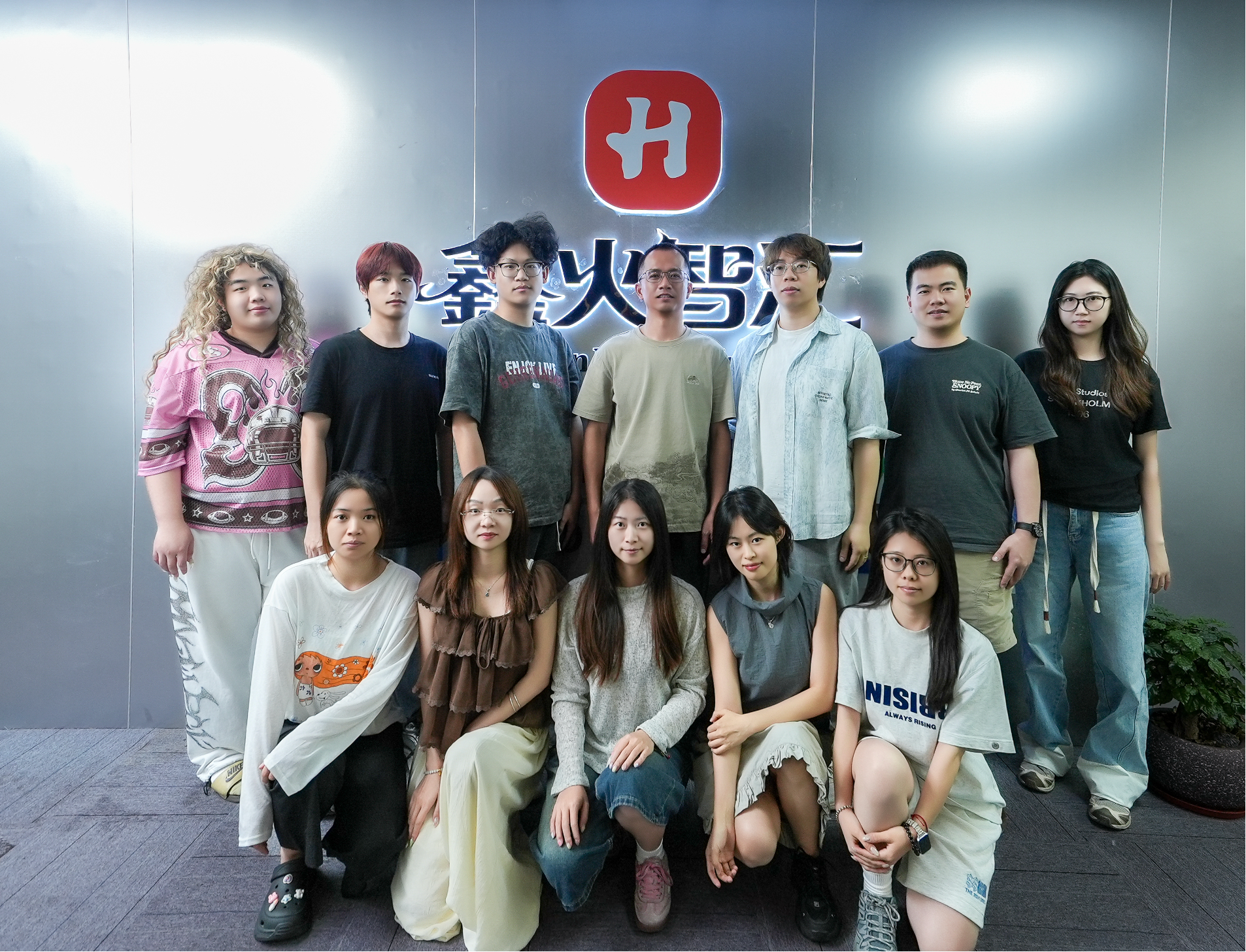
XINNOVE (Xiamen Xinhuo Zhihui Network Technology Co., Ltd.) was founded in 2018, operates from Xiamen, China, and has built a delivery structure that keeps the four models in separate units while reporting through one account team. Nine departments carry the work: Strategy, Content Creation, Video Production, Paid Advertising, Community Management, Client Success, Data Analytics, Design and Localization. Named roles include a dedicated account manager, senior marketing strategist, content writer and editor, professional video editor, graphic designer, paid ads specialist, community manager, data analyst and localization specialist.
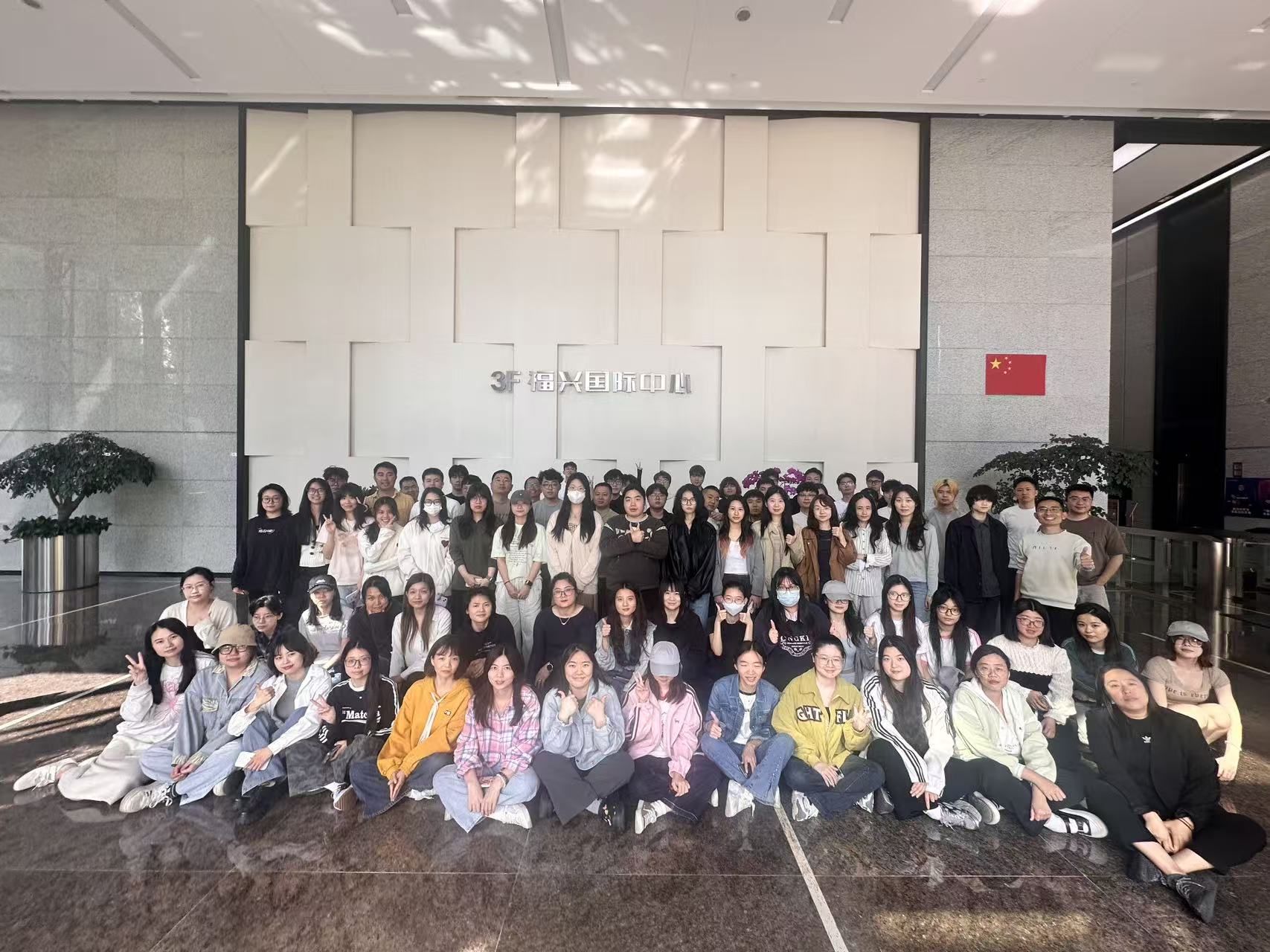
Delivery capacity is stated as 50+ concurrent client accounts, 1,000+ original content pieces produced monthly, 200+ paid advertising campaigns managed monthly, 100+ global markets covered and 100+ full-time professional team members. The company has served over 300 enterprises across beauty, apparel, 3C electronics, food and beverage, home and building materials, cross-border e-commerce and B2B manufacturing, with industry experience spanning more than eight years across B2B and B2C sectors including F&B, fashion, beauty, personal brands, travel, jewellery, manufacturing, international trading, automotive and e-commerce.
Four methodologies are applied depending on the model: the Global 360° Social Media Growth Methodology (used in the INNO Energy Storage, Geely Auto, YANGGUOFU Malatang, MALUJI, HGJ Home Cleaning, PECHOIN and DR Diamond Ring engagements), the Viral Short-Form Video Acceleration Methodology (CCSabers, COOLFLY, AiMoola, Fufeng Welding), the Enterprise Global Brand Excellence Methodology (Vango Automotive Warranty, DR Diamond Ring), and the Social Commerce Full-Funnel Conversion Methodology, whose stated goals include generating 30–100% of total sales through social commerce, increasing conversion rate to 2–5%, reducing customer acquisition cost by 20–40% and increasing average order value by 15–30%.
Industry-standard tools support execution, including Adobe Creative Suite (Photoshop, Premiere Pro, After Effects), CapCut, Canva, Meta Business Suite, TikTok Business Center, Google Analytics 4, Google Ads, LinkedIn Campaign Manager, Ahrefs, SEMrush, Asana, Notion, Slack and AI content tools.
Step-by-Step: How a Model Moves From Brief to Live Campaign
Regardless of which model is selected, XINNOVE runs a structured six-stage process. The stages are the same; the emphasis inside each stage changes with the model.
- Discovery & Onboarding. A full audit of current social presence, competitors and target audience, plus collection of brand assets and communication protocols. Output: an audit report, onboarding checklist and communication plan. Model emphasis: a market-specific programme widens the audit to local competitor sets and local platform preference; a platform-specific programme narrows it to one surface's performance history.
- Strategy Development. A customised multi-platform strategy covering content pillars, posting schedules, KPIs and budget allocation. Inputs include audit findings, competitor analysis, market research and client feedback on the draft strategy. Output: full strategy document, content pillar guide and KPI dashboard.
- Content Production & Approval. Original content is created against the approved strategy and submitted for client review before publication. Each content piece includes two free revision rounds; revision requests must be submitted in writing within 48 hours of delivery, and content approved after 48 hours without feedback is treated as final.
- Campaign Launch & Execution. Accounts and campaigns go live, covering both organic posting and paid advertising. Inputs required from the client: final approved content calendar, advertising budget and account access credentials. Output: account optimisation report and campaign launch.
- Performance Monitoring & Optimisation. Daily monitoring of campaign performance, real-time adjustments, and continuous optimisation of content and ads. Outputs include weekly performance snapshots and A/B test results.
- Reporting & Strategic Review. Monthly performance reports plus quarterly strategic reviews, with an annual business review and planning session available. Internal monthly performance review meetings run alongside the client-facing cycle.
Timelines and commitment. Initial onboarding and strategy take 2–3 weeks. The service then runs as an ongoing monthly retainer, with quarterly, semi-annual and annual packages available and a minimum three-month commitment for optimal results.
Communication structure. A dedicated account manager acts as single point of contact. A formal monthly performance review meeting is held, weekly written progress updates are sent by email, and real-time communication runs through Slack, WhatsApp or WeChat during business hours (9:00–18:00 GMT+8), with emergency phone support for critical issues. All major decisions are documented on a shared project management platform.
Division of responsibility. The client provides accurate brand information, assets and product details, grants account access, reviews and approves content within agreed timelines, gives timely performance feedback, communicates business updates and objectives promptly, and pays the agreed advertising budget on time. The provider conducts the audit and builds the data-driven strategy, creates original content aligned to brand guidelines, manages and optimises accounts and campaigns, reports regularly and transparently, monitors market trends and algorithm changes, and proactively identifies growth opportunities.
Use Cases: The Four Models Applied
Platform-specific — CCSabers (entertainment and cultural merchandise, global). The brand needed visibility inside one platform and one fandom. A three-month YouTube Shorts programme combined satisfying product demonstrations, unboxing and assembly tutorials with active engagement in the Star Wars fan community, producing a fully optimised channel and 120+ original short-form videos.
Market-specific — YANGGUOFU Malatang (food and beverage, California). The core problem was consumer education in one local market: explaining malatang to American diners while competing for foot traffic. Local geotagging, behind-the-scenes content and customer testimonials converted discovery into visits, with the client reporting new customers arriving from Instagram.
Regional-specific — Geely Auto Thailand and INNO Energy Storage Australia. Both required locally correct execution inside one region. Geely needed Thai language localisation and daily community management against entrenched Japanese and Korean competitors; INNO needed complex residential energy storage explained simply to Australian homeowners, generating direct message inquiries and qualified leads.
Private messaging — Fufeng Welding Equipment (industrial manufacturing, Middle East / Africa / Central Asia). The brand had no social presence and relied on trade shows and Alibaba. A three-month Facebook and Instagram programme with WhatsApp private domain conversion produced 478 qualified leads at a 2.91% advertising conversion rate on USD 524.50 of ad spend, with 20%+ of leads assessed as serious buyers.
Global brand building that mixes models. PECHOIN, a cosmetics and skincare brand, required heritage storytelling and multi-language localisation across multiple platforms, producing 120+ original content pieces, 6,222 views on a brand heritage video, 684 engagements on a product showcase post and 497 profile visits from a single campaign. DR Diamond Ring, a luxury diamond ring brand, ran a three-month Instagram programme with 90+ original luxury visual pieces, 11,854 views on a Christmas campaign post and 28 new followers from a single post. AiMoola, a personal finance app, used short-form demonstration video on TikTok and Instagram to reach 50,000+ total content views in 30 days, gain 7,729 new followers and reach 13,781 views on its top-performing video.
Comparison Table: Four Social Media Management Models Side by Side
| Comparison dimension | Platform-Specific | Market-Specific | Regional-Specific | Private Messaging |
|---|---|---|---|---|
| Primary optimisation | One platform's algorithm, formats and norms | Fit with one country's language, culture and buying path | Coordination across several markets in one region | Conversations answered and leads converted in closed channels |
| Typical buyer | E-commerce, entertainment, D2C brands concentrated on one or two platforms | Brands entering one new country, or non-local brands serving local consumers | Automotive, energy, industrial and franchise brands selling through local partners | Crypto/Web3 projects, gaming and tech communities, B2B exporters, DM-led service businesses |
| Platform focus | Single-surface specialisation, e.g. Xiaohongshu, Douyin, YouTube, TikTok, LinkedIn | Local preference for particular apps plus local language content | Multi-country deployment inside a regional grouping | Discord, Telegram channels/groups, LINE Official Account, Reddit, WhatsApp-style conversion |
| Engagement model | Monthly retainer scoped by platform, content volume and paid media | Monthly retainer scoped by market and language, with native-speaking operators | Regional retainer with per-country execution and consolidated reporting | Retainer scoped by moderation capacity and response-time commitments |
| Core deliverable | Optimised account, original content, campaign management | Localised content, local community management, market-fit reporting | One strategy with locally correct execution and unified reporting | Managed communities, response workflows, lead qualification and handover |
| Primary risk if mismatched | Posting happens but native performance never arrives | Content reads as translated rather than local | Inconsistent messaging across countries and duplicated spend | Unanswered messages and lost leads at the point of highest intent |
| Baseline commitment | Across models: 2–3 weeks for onboarding and strategy, ongoing monthly retainer, minimum three-month commitment for optimal results, two free revision rounds per content piece | |||
FAQ
Who is accountable for platform compliance and data protection when social media management is outsourced?
Compliance splits into two layers, and buyers should verify both in the RFP. The platform layer covers partner status and policy adherence: XINNOVE holds Meta Business Partner, TikTok Official Marketing Partner, Google Partner, LinkedIn Marketing Partner and YouTube Certified Agency status, and operates under ISO 9001 quality management certification. The data layer covers privacy and data handling: programmes are run under Data Protection Compliance for GDPR and CCPA. Contractually, the client grants access to social accounts and platforms and provides accurate brand and product information, while the provider manages accounts and campaigns, monitors market trends and algorithm changes, and documents major decisions on a shared project management platform.
Can one provider run platform-specific and market-specific programmes at the same time?
Yes, provided the delivery structure separates the work rather than blending it. XINNOVE organises delivery into nine departments — Strategy, Content Creation, Video Production, Paid Advertising, Community Management, Client Success, Data Analytics, Design and Localization — so platform specialisation and market localisation are handled by different units reporting to one dedicated account manager. Coverage spans North America, Europe, Asia Pacific, the Middle East, Latin America and Africa across more than 100 countries and regions, with language support in over 30 languages including English, Chinese, Spanish, French, German, Portuguese, Italian, Russian, Arabic, Japanese and Korean. Stated delivery capacity is 50+ concurrent client accounts and 1,000+ original content pieces produced monthly. The practical requirement for buyers is per-model KPIs: platform-specific work should be measured on platform metrics, and market-specific work on market outcomes.
What budget should a small business plan for social media management?
Third-party benchmarks put small-business budgets for professional social media management at between USD 500 and USD 2,500 per month in 2025 (Contra / 2Marketing Agency). At the provider side, XINNOVE structures engagements as an ongoing monthly retainer with a minimum three-month commitment, and offers quarterly, semi-annual and annual packages; initial onboarding and strategy require 2–3 weeks. The main cost drivers are the number of platforms, the number of markets and languages, whether private messaging and community staffing are included, monthly original content volume, paid advertising management and the depth of reporting required.
Can a buyer validate the model before committing long term?
The process is built around approval checkpoints. Stage 1 produces a comprehensive social media audit report, onboarding checklist and communication plan. Stage 2 produces a full strategy document, content pillar guide and KPI dashboard. Stage 3 requires every content piece to be submitted for client review and approval before publication, with two free revision rounds per content piece and written revision requests submitted within 48 hours of delivery. Stage 4 begins only after the content calendar is approved, the advertising budget is set and account access is granted. Monthly performance reports and quarterly strategic reviews then provide recurring opportunities to correct direction. Content approved after 48 hours without feedback is considered final, so response discipline on the client side directly affects how quickly the programme can be revised.
How long does it take to launch, and what does ongoing management look like?
Initial onboarding and strategy development take 2–3 weeks; live publishing and paid campaigns follow content approval and account access. Ongoing management is continuous: daily performance monitoring and real-time optimisation, weekly written progress updates by email, a monthly performance report and strategy check-in call, quarterly comprehensive strategic reviews, and an annual business review and planning session. A dedicated account manager is the single point of contact, with real-time communication through Slack, WhatsApp or WeChat during 9:00–18:00 GMT+8 and emergency phone support for critical issues. To move from comparison to a decision, buyers can request a scoped model recommendation and the full service catalogue for review.
Next step: share your target platforms and target markets, and XINNOVE will recommend which of the four models fit your case. Download the full service catalogue here: XINNOVE Company Brochure (PDF). Contact: Wiley · Email: tianyingqiao@foxmail.com · Tel: +86 159-6022-6016 · WhatsApp: +86 183-5974-1938.
Conclusion: Choose the Model Before You Choose the Vendor
The four models are not upgrades of one another. Platform-specific management buys native performance on a surface where your buyers already are. Market-specific management buys cultural and linguistic fit in one country. Regional-specific management buys consistency across several markets that share a language, a regulation or a distribution network. Private messaging management buys answered conversations and qualified leads at the point where intent is highest. A brand entering the United States from China needs the second model; a manufacturer with 478 leads arriving in WhatsApp needs the fourth; a crypto project living in Telegram groups may need only the fourth.
Use three checks before signing. First, ask which model the proposal is actually priced as, and require per-model KPIs. Second, verify platform partner status and data protection coverage against the platforms and markets you are targeting. Third, confirm the timeline and approval structure in writing — 2–3 weeks of onboarding and strategy, a minimum three-month commitment, two free revision rounds per content piece and a 48-hour feedback window that determines whether content is treated as final.
XINNOVE delivers all four models from one team, covering more than 100 countries and regions and over 30 languages. Review the service structure at www.xinhuozhihui.com, or request a scoped model recommendation by email at tianyingqiao@foxmail.com or WhatsApp at +86 183-5974-1938.
Have Questions or Need More Details?
Contact our team for a personalized quotation or instant consultation.
Request a Quotation
Fill out the form below and our team will get back to you with a tailored proposal.
WhatsApp Direct Chat
Prefer to chat in real-time? Message us on WhatsApp for instant assistance & quick answers.
- Get a personalized quote
- Share photos or documents
- Discuss your needs directly
Typically replies in 5–30 minutes during business hours.