Struggling with Global Social Media? A Full-Service Solution Comparison for 2026
Struggling with Global Social Media? A Full-Service Solution Comparison for 2026
Global social media programmes rarely stall because a brand posts too little. They stall because the work is spread across too many hands. A company selling into the United States, Taiwan and Canada often ends up with a performance agency for Meta ads, a freelance designer for Instagram, a regional contractor for LINE, and a separate writer for LinkedIn. Every vendor reports on its own platform. Nobody owns whether the brand still looks like the same brand in all three markets.
The real decision for 2026 is therefore not which platform and not which agency. It is which operating model: a fragmented set of single-platform vendors, or one integrated partner that runs social media management, paid social advertising and influencer marketing as a single system. That is the comparison this article sets out to make — with the trade-offs left visible rather than smoothed over.
Problem definition: when "multi-platform" quietly becomes "multi-vendor"
The pain point is easy to name and harder to manage. XINNOVE's service documentation describes the target problem in three parts: an inconsistent global brand image, a lack of local market insights, and difficulty measuring global brand-building effectiveness. Each of those is an operational symptom, not a creative one.
- Inconsistent brand image. When four vendors produce content from four different briefs, tone, visual rules and messaging drift apart — and the drift is usually invisible until a customer in one market sees the brand in another.
- Missing local insight. A single-platform vendor typically knows one platform well and one market reasonably. It rarely knows how the same campaign should be re-cut for a Taiwanese buyer reading Traditional Chinese versus a Canadian buyer reading English.
- Unmeasurable brand building. Because each vendor owns a fragment of the funnel, no one can report on the whole. Reach gets counted four times, conversion gets counted once, and the two numbers never reconcile.
Add the administrative layer — separate contracts, separate onboarding, separate invoices, separate approval cycles — and the hidden cost of fragmentation starts to exceed the visible one. The brand is not paying more for less. It is paying more for coordination.
Industry background: demand is consolidating while the supply side stays fragmented
The money moving into this category is large enough that operating-model decisions now carry real financial consequences. Third-party estimates put the global social media management services market at USD 24.76 billion in 2024, projected by Grand View Research to reach USD 85.06 billion by 2030. Business Research Insights estimates social media marketing company services at roughly USD 42 billion in 2026, growing at a CAGR of 21.4% through 2035.
Those two figures do not contradict each other so much as measure different things. Grand View Research is sizing social media management — tooling and operational services — while Business Research Insights is sizing agency services more broadly. Buyers comparing vendor claims should expect this kind of divergence and check what each number actually covers before treating it as a benchmark.
Behind the service layer sits advertising spend, and it is where most of the budget lands:
- Global social media advertising spending reached approximately USD 234.5 billion in 2024, according to Business Stats.
- Asia was the largest regional market for social media advertising, spending USD 106.57 billion in 2024, based on Statista data.
- North America led the management side with a valuation of USD 12.76 billion in 2025, according to Fortune Business Insights.
- Canada's advertising agency market, which includes social media work, reached USD 4.9 billion in 2026 with 1.4% annual growth, per IBISWorld.
Adoption is close to universal at the small-business end: around 96% of small businesses use social media for marketing purposes as of 2024, according to Electro IQ. The platform landscape also remains lopsided — Statcounter Global Stats recorded Facebook holding 75.24% market share of social media platforms worldwide as of June 2026.
The result is a market where demand is consolidating into fewer, larger engagements while supply stays highly fragmented. Research and Markets lists major global players in the sector as Meta, Sprout Social and Sprinklr — platform and software vendors rather than full-service operators — which leaves a long tail of single-discipline agencies filling the gaps. For a buyer, that fragmentation on the supply side is exactly what pushes coordination cost back onto the client.
Detailed solution: three engagement models, compared honestly
Most global brands are not choosing between a good provider and a bad one. They are choosing between three structurally different engagement models, each with a different cost profile and a different failure mode.
1. Full-service global social media marketing and management
In this model a single team owns account setup, content production, community management, paid amplification, influencer work and reporting across every market the brand operates in. XINNOVE describes its version of this model around a one-stop end-to-end service, a dedicated 1+N team per client, data-driven decision-making, continuous real-time optimization, transparent performance reporting, and scalability across multiple markets and platforms.
Scope is what separates it from the other two models:
- Geographic coverage spanning North America, Europe, Asia Pacific, the Middle East, Latin America, Africa and more than 100 countries and regions.
- Platform breadth across TikTok, Instagram, LinkedIn, Google, Facebook, YouTube, X (Twitter), Pinterest, Snapchat, VK, Threads and Lemon8, plus LINE and Telegram channel management, Reddit and Discord community management — and, for brands entering or operating in China, Xiaohongshu, Douyin, WeChat Official Account and WeChat Channels.
- Team structure built from strategy, content creation, video production, paid advertising, community management, client success, data analytics, design and localization departments.
- Operating capacity of more than 50 concurrent client accounts, more than 1,000 original content pieces produced monthly, and more than 200 paid advertising campaigns managed monthly.
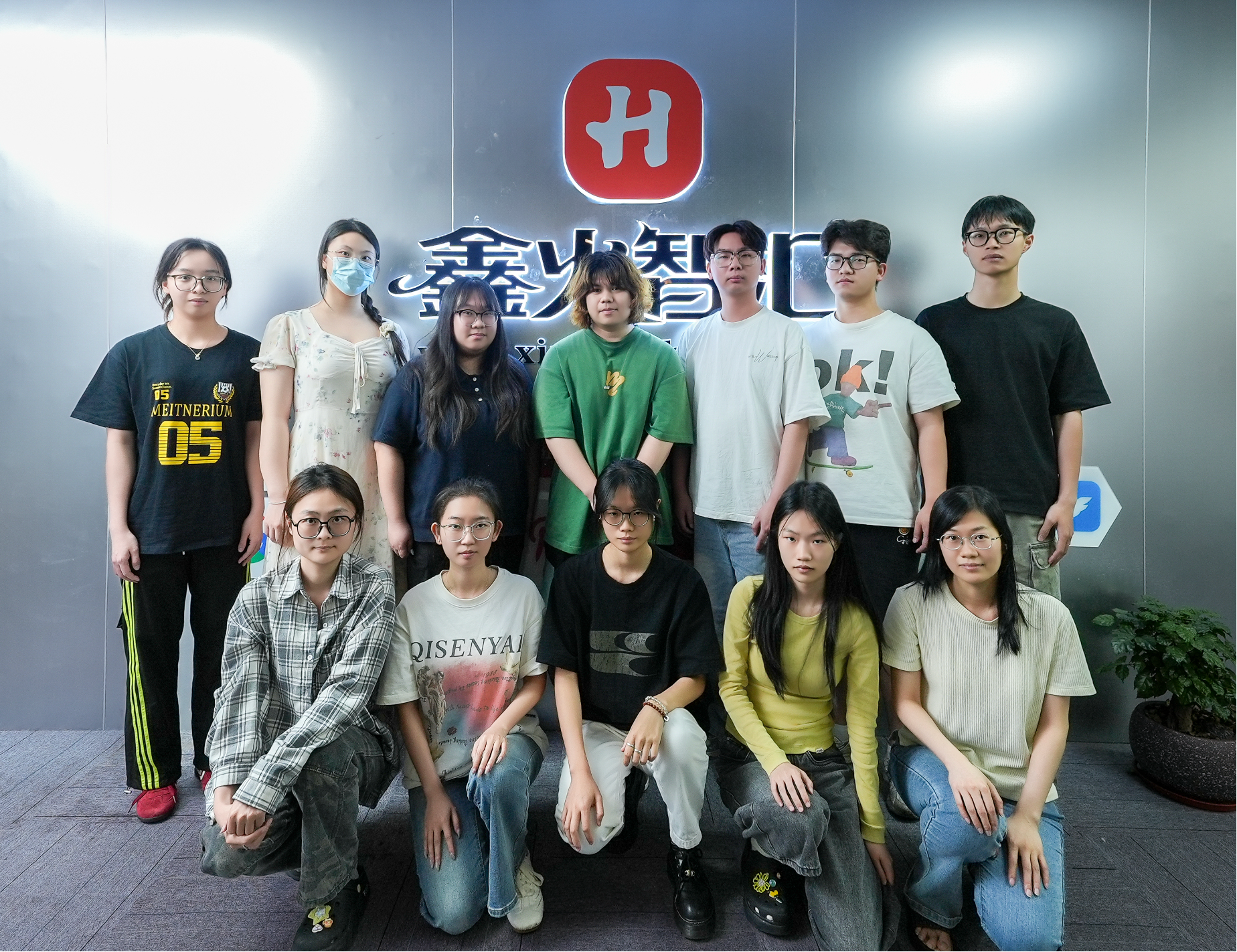
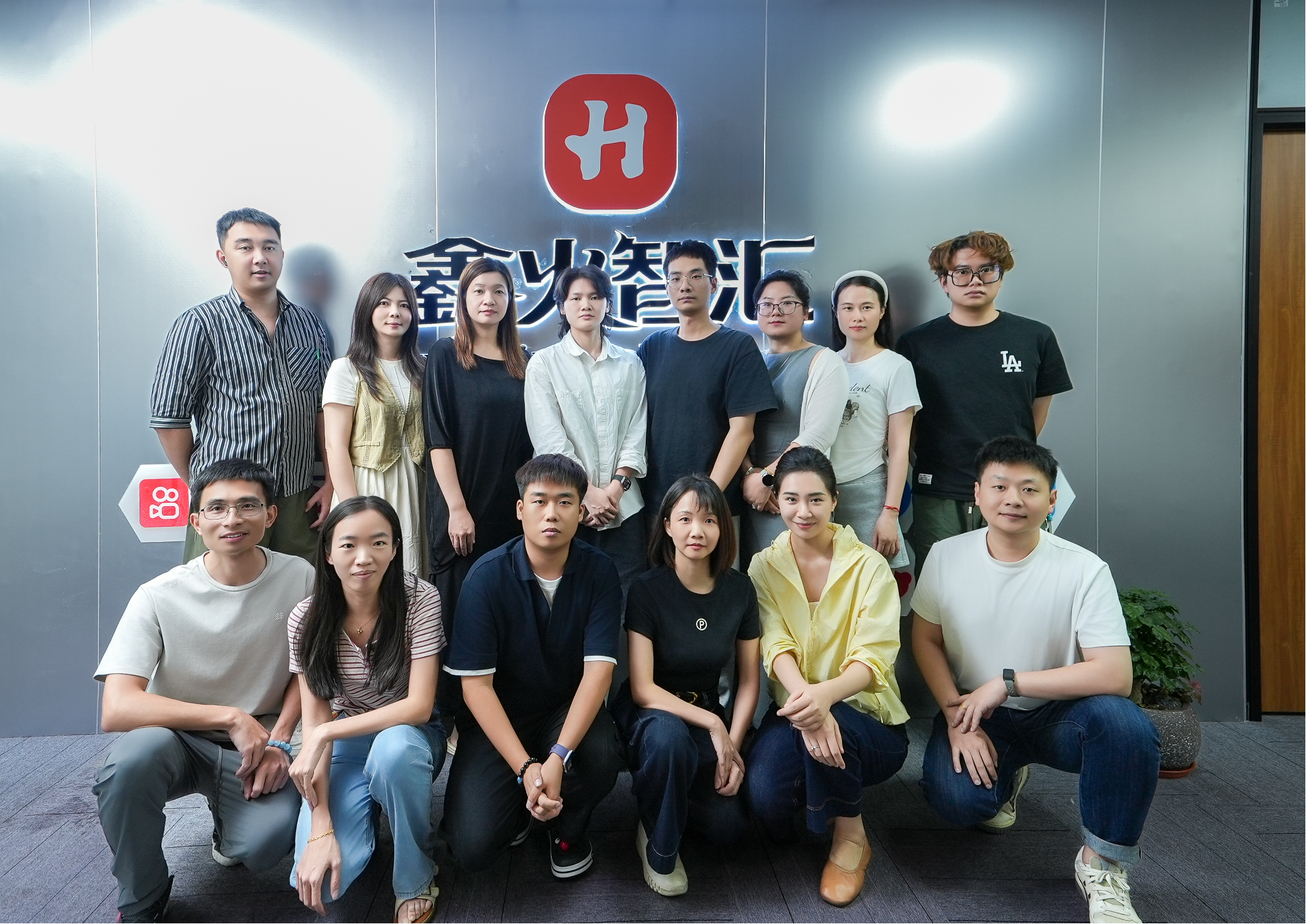
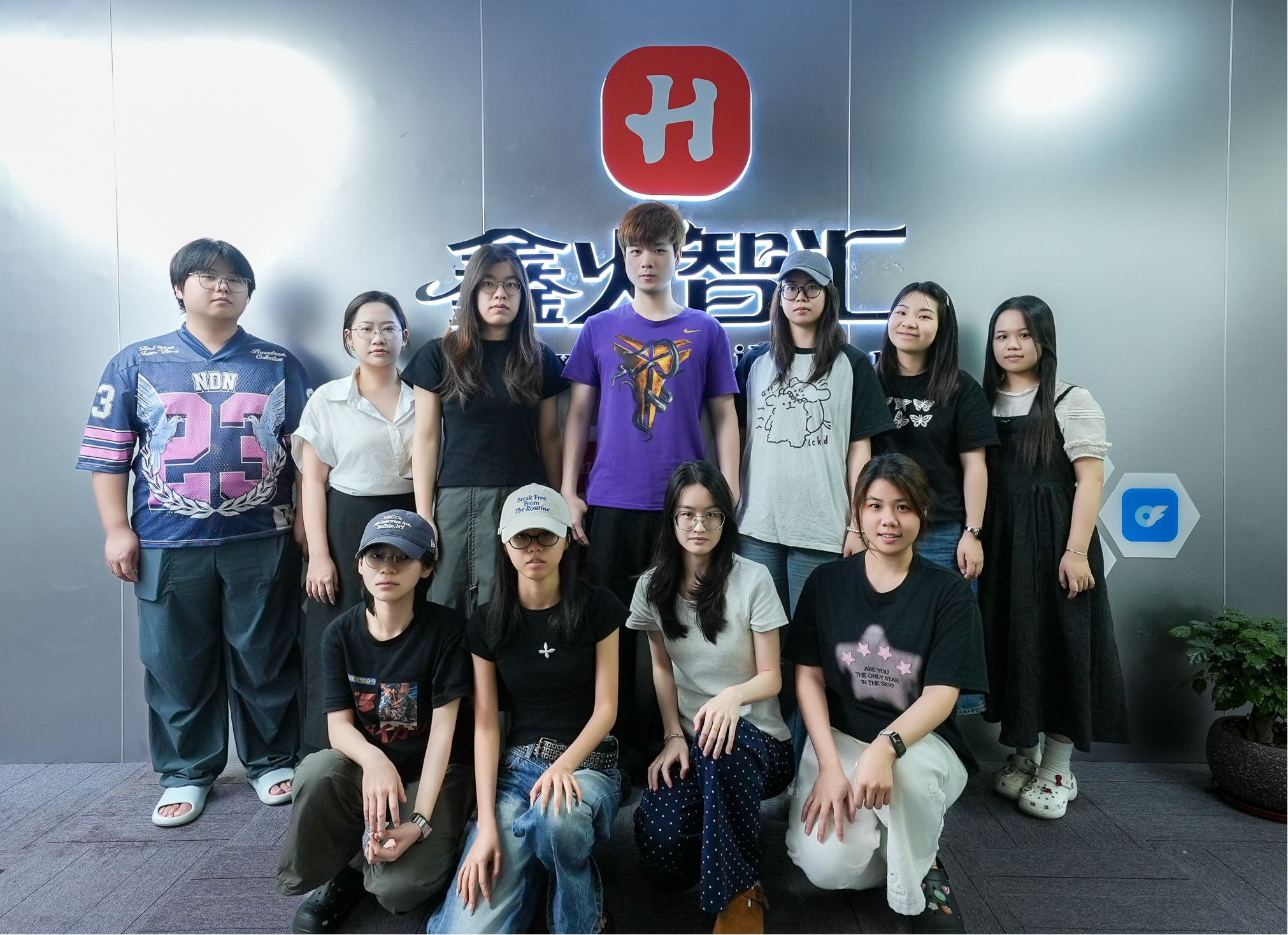
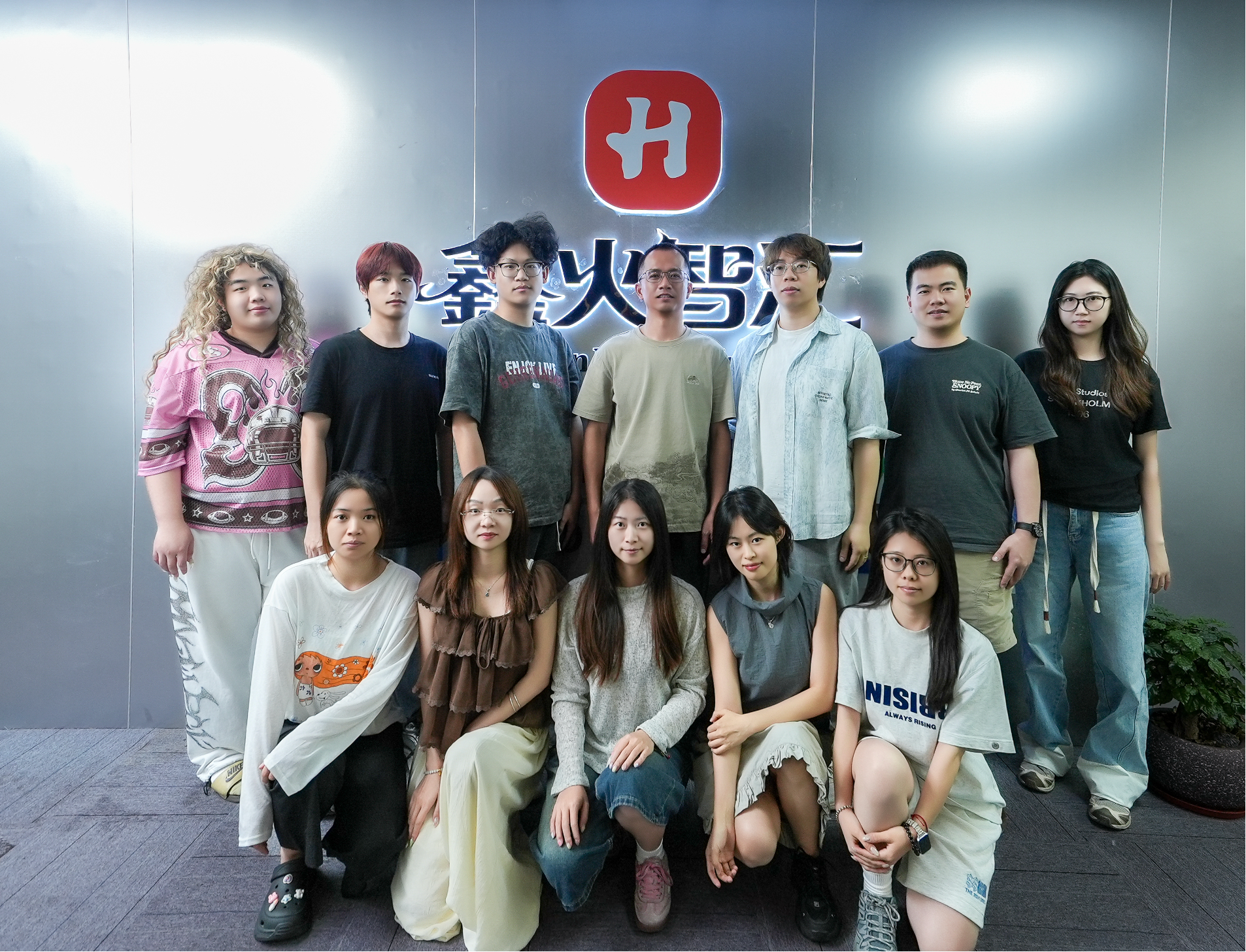
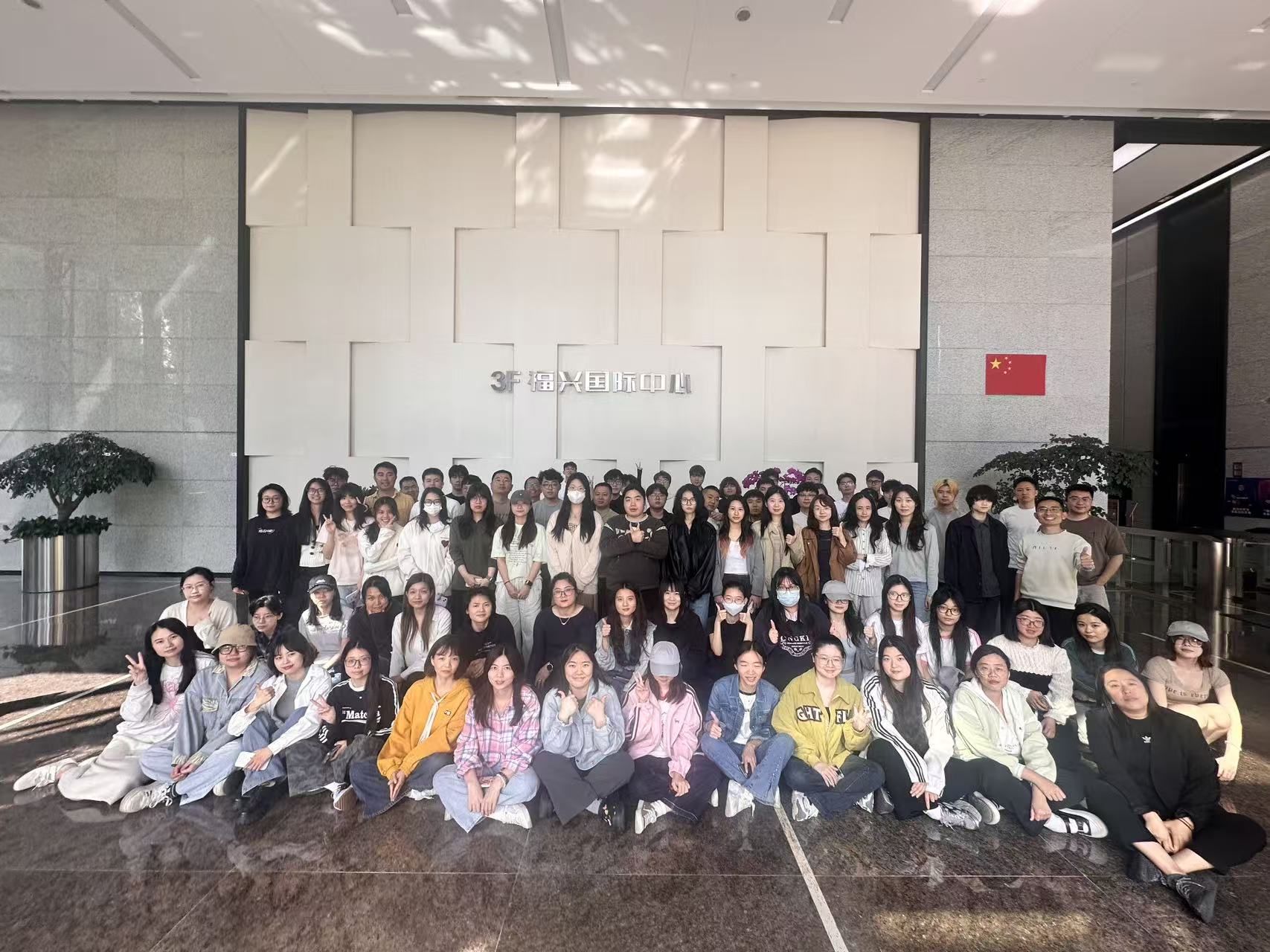
XINNOVE is the brand of Xiamen Xinhuo Zhihui Network Technology Co., Ltd., a full-service global omnichannel digital marketing and management agency founded in 2018 and based in Xiamen, China. The company works with a team of 107 people and reports that roughly 90% of its business comes from overseas markets including the USA, Australia, Hong Kong, Taiwan, Canada, China, Japan and Singapore. Its credentials include Meta Business Partner, TikTok Official Marketing Partner, Google Partner, LinkedIn Marketing Partner and YouTube Certified Agency status, together with ISO 9001 quality management certification and data protection compliance aligned with GDPR and CCPA.
The limitation is worth stating plainly. A full-service model carries a higher entry commitment than a single-service engagement — XINNOVE's standard process assumes a minimum three-month commitment — and it depends on the client approving content on schedule. Brands that want a one-off campaign from a single specialist are usually better served by model two or three.
2. Paid social advertising
This is a performance-marketing engagement: advertising management across platforms, measured against return on investment rather than brand metrics. XINNOVE's Paid Social Media Advertising Management service is aimed at businesses seeking immediate results, e-commerce brands needing sales growth, B2B companies generating leads, brands launching new products, and companies that already have an organic social presence to amplify.
The service scope is narrow and deep: advertising account audit and optimization, target audience research, ad creative development, campaign setup, daily monitoring, A/B testing, budget allocation, conversion tracking and monthly performance reports.
Its strength is accountability — every unit of spend has a measurable counterpart, and campaign decisions are made on daily data rather than monthly impressions. Its limit is that paid social reaches people but does not, on its own, build the organic presence, community or creator relationships that make paid media cheaper over time.
3. Influencer marketing
Influencer marketing buys borrowed trust: creator content and collaborations that speak in a local voice rather than a brand voice. XINNOVE operates this as a specialist capability rather than a standalone product, supported by a global influencer database of more than 100,000 creators and by the localization and community-management teams that handle briefing, coordination and follow-up.
Its strength is authenticity and access inside niche communities — the audiences that ignore brand accounts but follow individual creators closely. Its limits are control and consistency: creative output varies by creator, and without a central editorial standard, a multi-market influencer programme can drift apart as easily as a multi-vendor one.
Step-by-step breakdown: how an integrated rollout actually runs
Model choice matters less than execution discipline. XINNOVE's documented end-to-end process runs in six stages, and the sequence is the same whether the brand is entering one market or twenty.
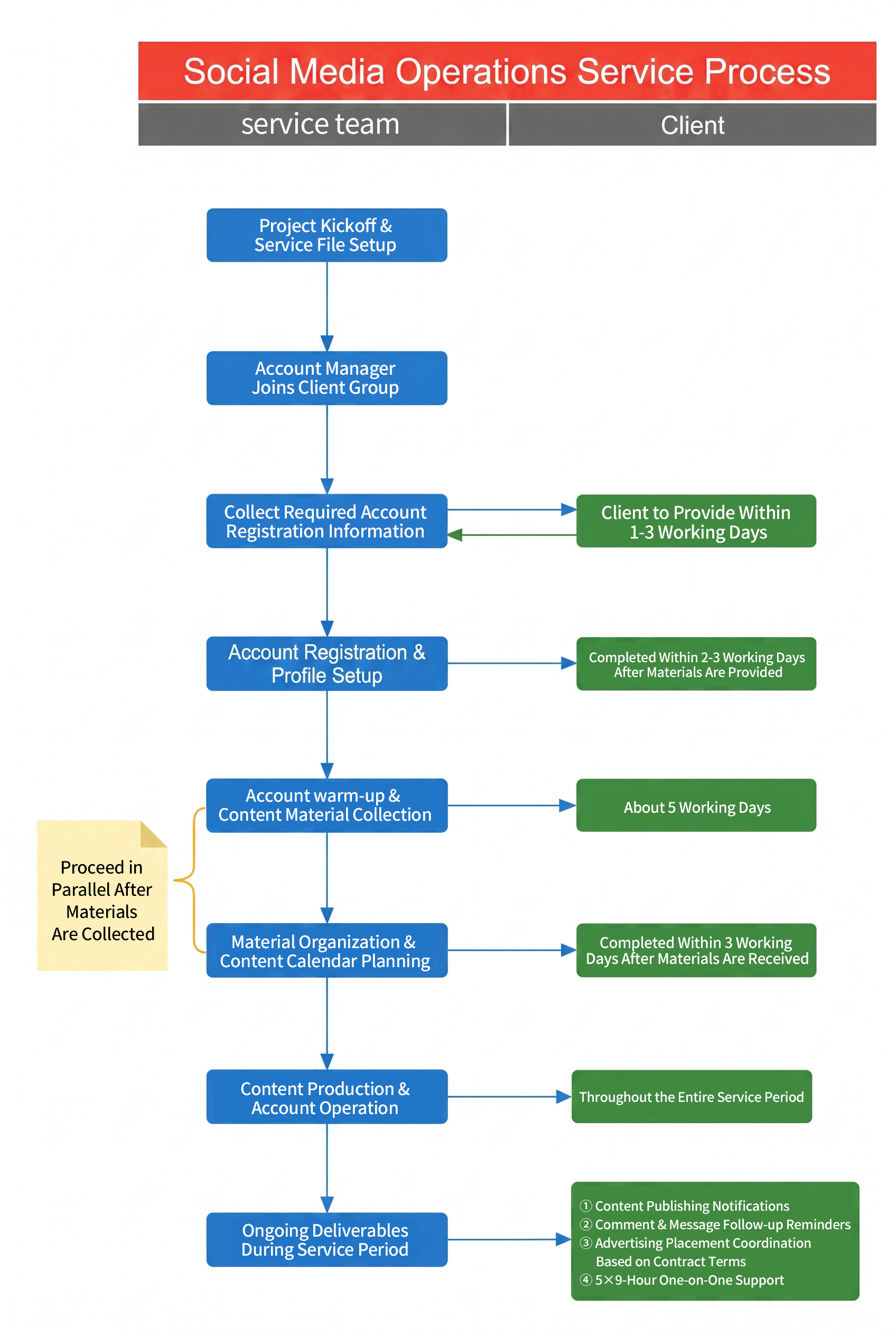
- Discovery and onboarding. A full audit of the brand's current social presence, competitors and target audience, plus collection of brand assets and establishment of communication protocols. Output: a social media audit report and an onboarding checklist.
- Strategy development. A customized multi-platform strategy covering content pillars, posting schedules, KPIs and budget allocation. Output: a full strategy document, a content pillar guide and a KPI dashboard.
- Content production and approval. Original content created against the approved strategy and submitted for client review before publication. Output: the monthly content calendar and all original content files.
- Campaign launch and execution. Accounts and campaigns go live, covering both organic posting and paid advertising.
- Performance monitoring and optimization. Daily monitoring, real-time adjustments and continuous optimization of content and ads. Output: weekly performance snapshots and A/B test results.
- Reporting and strategic review. Monthly performance reports plus quarterly strategic reviews that reassess the approach. Output: the monthly report and the quarterly strategy document.
Two governance details decide whether this runs smoothly. The first is timing: initial onboarding and strategy typically take two to three weeks, after which the service runs as a monthly retainer, with a minimum three-month commitment before results can be judged fairly. The second is revision discipline — two free rounds of revisions per content piece, with requests submitted in writing within 48 hours of delivery, and content treated as final if no feedback arrives inside that window.
Day-to-day communication runs through a dedicated account manager acting as a single point of contact, a monthly formal performance review, weekly written progress updates, and real-time channel access during business hours, with all major decisions documented in a shared project-management platform.
Use cases: what the integrated model produces in practice
Four documented engagements show how the model behaves under different conditions — a consumer product, a B2B exporter, a national-market launch and a niche community play.
Viral short-form for a US consumer brand
COOLFLY, a smart bird feeder brand selling into the United States, had a strong product and no effective way to demonstrate it. The engagement combined TikTok and Instagram account optimization, viral short-form video production, trend research, community management and paid amplification. The campaign produced 11,834,094 total video views in a single month, 6,201,118 total reach and 227,107 total engagements, with multiple videos passing one million views and website traffic from social media rising by more than 300%.
B2B lead generation for an industrial exporter
Fufeng Welding Equipment had no social media presence in international markets and relied on trade shows and B2B marketplaces for leads. A three-month Facebook and Instagram programme combining product demonstration video with targeted paid advertising and WhatsApp follow-up delivered 1,000+ new followers, 478 qualified sales leads and a 2.91% advertising conversion rate on USD 524.50 of ad spend. The campaign reduced customer acquisition cost by 60% compared with traditional channels, and the client reported that at least 20% of leads were serious buyers.
National market entry with localization
Geely Auto's Thailand launch required credibility in a market dominated by established Japanese and Korean brands. The work included social media account setup and optimization, Thai-language content localization, product feature demonstration and high-quality vehicle video production — 90+ original automotive videos and photos in total. The top-performing vehicle video reached 59,000 views and a single post generated 266 engagements, alongside increased brand search volume and multiple dealer inquiries.
Niche community building
For CCSabers Lightsabers, a premium lightsaber brand, the entry point was YouTube Shorts rather than a broad platform mix. More than 120 original short-form product videos — demonstrations, unboxing and assembly tutorials — produced a top video with 5,703 views and a second with 2,687 views, while driving traffic into the brand's e-commerce store and building a following inside the global Star Wars fan community.
The pattern across all four is consistent: content production, paid amplification, community response and reporting were run by one team instead of being handed between vendors, which kept results attributable to a single programme rather than split across four dashboards.
Comparison table: full-service vs paid social vs influencer marketing
The table below compares the three models on the dimensions buyers actually weigh during evaluation. Ratings are editorial assessments of each model's relative structural strength — they describe the shape of the engagement, not the measured performance of any named provider, and they should be read together with the explanations that follow.
| Evaluation dimension | Full-Service Global Social Media Marketing & Management | Paid Social Advertising | Influencer Marketing |
|---|---|---|---|
| Service scope | ★★★★★ Account setup, strategy, content production, community management, paid media, influencer collaboration and reporting under one contract | ★★★☆☆ Ad account audit, audience research, creative development, campaign setup, A/B testing, budget allocation, conversion tracking and reporting | ★★★☆☆ Creator sourcing, briefing, content collaboration, amplification support and community follow-up |
| Platform coverage | ★★★★★ More than 20 platforms and channels, including TikTok, Instagram, LinkedIn, Facebook, YouTube, X, Pinterest, Snapchat, VK, Threads, Lemon8, LINE, Telegram, Reddit, Discord, plus Xiaohongshu, Douyin, WeChat Official Account and WeChat Channels | ★★★★☆ Concentrated on the major advertising platforms: Meta, TikTok, LinkedIn and Google | ★★★★☆ Follows where creators publish; strongest on Instagram, TikTok and YouTube |
| Full-service capability | ★★★★★ One team owns the full funnel from brand exposure to lead generation and order completion | ★★☆☆☆ Optimizes the acquisition end of the funnel only | ★★☆☆☆ Contributes reach and credibility rather than funnel ownership |
| Localization depth | ★★★★★ Native-speaking operators, localization specialists and cultural consultants; content produced in the local language and idiom | ★★★☆☆ Depends on how well ad creative is adapted for each market | ★★★★☆ Achieves localization indirectly through creators who already address the audience natively |
| Paid media depth | ★★★★☆ Paid advertising is one component of a broader brief, supported by capacity of 200+ managed campaigns per month | ★★★★★ Paid media is the entire engagement, with daily monitoring and continuous optimization | ★★☆☆☆ Limited to boosting creator content and paid amplification of collaborations |
| Creator and influencer access | ★★★★☆ Access to a global influencer database of more than 100,000 creators | ★★☆☆☆ Creator work only where it feeds advertising creative | ★★★★★ Core capability with creator sourcing, briefing and collaboration built in |
| Measurement and reporting | ★★★★★ KPI dashboard, weekly performance snapshots, monthly reports and quarterly strategic reviews | ★★★★★ Conversion tracking and monthly performance reports tied directly to advertising ROI | ★★★☆☆ Measured mainly on reach and engagement; attribution to sales is indirect |
| Client coordination load More stars = less work for the buyer | ★★★★★ One contract, one dedicated account manager, one approval cycle, one report | ★★★☆☆ Manageable alone, but adds another vendor if organic and creator work sit elsewhere | ★★★☆☆ Requires briefs, creator approvals and follow-up across many individuals |
| Best-fit scenario | Multi-market brands needing consistency across platforms, languages and regions | Performance-driven brands with existing organic presence and immediate sales or lead targets | Brands building awareness and social proof inside specific communities |
| Overall editorial rating | ★★★★★ | ★★★★☆ | ★★★☆☆ |
Service scope and full-service capability. Only the integrated model covers organic content, community management, paid media, creator collaboration and reporting under one contract. Paid social and influencer engagements are deliberately narrower — and that narrowness is a feature when a brand already has organic foundations and only needs one discipline executed well.
Platform coverage. Breadth matters most when a brand spans markets with different platform mixes: Facebook and Instagram in North America and Australia, LINE and Threads in parts of Asia, VK in Russian-speaking markets, and WeChat and Xiaohongshu for China-facing activity. A single-discipline vendor rarely needs that breadth.
Localization depth. Full-service operations staff localization specialists and native-speaking operators. Influencer marketing achieves localization indirectly through creators. Paid social localization depends mostly on how thoroughly the ad creative is adapted for each market.
Paid media depth. Paid social scores highest here because it is the whole engagement. The integrated model scores slightly lower on this single dimension only because paid media is one component of a broader brief — even though it runs more than 200 managed campaigns per month.
Measurement and reporting. Both full-service and paid social engagements report against tracked conversions with a defined KPI set and a monthly reporting cycle. Influencer programmes are harder to attribute directly, which is why they are usually evaluated on reach, engagement and assisted conversions rather than last-click returns.
Client coordination load. This row is inverted — more stars mean less work for the buyer. A single partner means one contract, one account manager, one approval cycle and one report. Splitting the same scope across three vendors triples the coordination surface without adding reach.
Frequently asked questions
How do full-service global social media partners handle compliance and data protection across markets?
Compliance is handled at two levels: platform-partner status and data-protection frameworks. XINNOVE holds Meta Business Partner, TikTok Official Marketing Partner, Google Partner, LinkedIn Marketing Partner and YouTube Certified Agency status, which means campaign activity runs through each platform's official advertising and data channels rather than unofficial workarounds. On the data side, the agency operates ISO 9001 quality management certification alongside data protection compliance aligned with GDPR and CCPA. For buyers, the practical check is whether a prospective partner can name its platform partner statuses and the privacy frameworks it operates under — if those cannot be stated precisely, the compliance risk sits with the brand, not the vendor.
What capabilities actually distinguish a full-service partner from single-platform vendors?
The distinguishing factor is ownership of the whole chain. A full-service partner covers account setup, content strategy, graphic and video production, community management, paid advertising, influencer collaboration, localization and analytics as one workflow — XINNOVE's model includes a dedicated 1+N team per client, data-driven decision-making, continuous real-time optimization, transparent performance reporting, and scalability across multiple markets and platforms. A single-platform vendor owns one link in that chain. The test is straightforward: ask who is accountable for brand consistency when four markets are live at the same time. In a fragmented structure, no individual vendor can answer that question.
How should a brand structure the budget for a global full-service programme?
Budgets in this model split into two separate lines. The first is the operating retainer, covering strategy, content production, community management and reporting. The second is the paid media budget, which is spent on the platforms themselves and is typically paid directly by the client on agreed terms, with the partner handling budget allocation and conversion tracking inside that line. Structurally, engagements run as a monthly retainer with a minimum three-month commitment, and quarterly, semi-annual and annual packages are available — so a buyer can match commitment length to how much of the year they intend to test. Cost detail should be quoted per scope, because there is no useful industry-wide price benchmark that applies equally to a single-market launch and a twenty-market programme.
Can a brand validate a full-service partner before committing globally?
Yes — through the front end of the delivery process rather than a free trial. Onboarding and strategy take two to three weeks and produce a comprehensive social media audit report, a customized multi-platform strategy, a content pillar guide and a KPI dashboard, all of which a buyer can assess before scaling. Content then passes through a formal approval step before publication, with two free rounds of revisions per piece and written revision requests accepted within 48 hours of delivery. Because the model is built to scale across markets and platforms, a brand can begin with a defined market set and extend once the first reporting cycles confirm the working rhythm.
How long does it take from onboarding to measurable results?
The typical sequence is two to three weeks for initial onboarding and strategy development, followed by an ongoing monthly retainer service. A minimum three-month commitment is standard for results to be meaningful, because the first month establishes baselines, the second produces the first optimization cycles, and the third allows comparison against those baselines. After that, reporting runs monthly with a quarterly strategic review, and optimization is continuous rather than periodic — daily monitoring feeds real-time adjustments between formal reviews. Buyers who want to review the full scope before committing can request a scoped proposal and download the complete service catalogue as a PDF brochure.
Conclusion: choose the model before you choose the vendor
The 2026 market is large and getting larger — a management services market projected by Grand View Research to move from USD 24.76 billion in 2024 to USD 85.06 billion by 2030, sitting on top of roughly USD 234.5 billion in global social media advertising spend in 2024. What that scale has not fixed is the operating problem. Brands still lose consistency, local relevance and measurement the moment their social activity is split between vendors who each see only one platform and one market.
The comparison points to a straightforward rule. If a brand needs one discipline executed exceptionally well — pure performance advertising or creator-led awareness — a specialist engagement is the efficient choice. If a brand operates across multiple platforms, languages and regions, the integrated full-service model removes the coordination cost that fragmentation quietly adds, and it does so through a defined process: two to three weeks of onboarding, a documented six-stage workflow, monthly reporting and a quarterly strategic review.
For buyers at the evaluation stage, the decisive question is not which agency has the longest platform list. It is which partner can state, in specific terms, who owns brand consistency across every market at once — and how they will prove it every month.
Next step
XINNOVE provides full-service global social media marketing and management, paid social advertising and influencer marketing for B2B and B2C brands across more than 100 countries and regions. To discuss scope, request a proposal, or review the complete service catalogue, download the brochure or contact the team directly.
Brochure: Download the XINNOVE service brochure (PDF)
Email: tianyingqiao@foxmail.com
WhatsApp: +86 183-5974-1938
Tel: +86 159-6022-6016
Address: Room 1303, No. 73 Tainan Road, Siming District, Xiamen City, China
Website: www.xinhuozhihui.com
Have Questions or Need More Details?
Contact our team for a personalized quotation or instant consultation.
Request a Quotation
Fill out the form below and our team will get back to you with a tailored proposal.
WhatsApp Direct Chat
Prefer to chat in real-time? Message us on WhatsApp for instant assistance & quick answers.
- Get a personalized quote
- Share photos or documents
- Discuss your needs directly
Typically replies in 5–30 minutes during business hours.