
Social Media Management Service Models Ranked: Platform-Specific, Market-Specific, Full-Service
Social Media Management Service Models Ranked: Platform-Specific, Market-Specific, Full-Service
Social media management service models come in three main engagement structures, and they are not interchangeable: full-service global omnichannel management, market-specific management, and platform-specific management. Ranked by fit for the buyer’s target audience, brand goals and operational scale, full-service ranks first for brands that operate across several markets and need one accountable team; market-specific ranks second for brands entering or consolidating a single country or region; platform-specific ranks third for brands whose growth depends on depth in one or two channels.
This ranking is a decision framework for buyers who are already shortlisting providers, not a service catalogue. It uses XINNOVE’s documented service structures and third-party market data to show which model answers which buyer need, what each model actually covers, where each model stops, and how to validate a provider before committing budget.
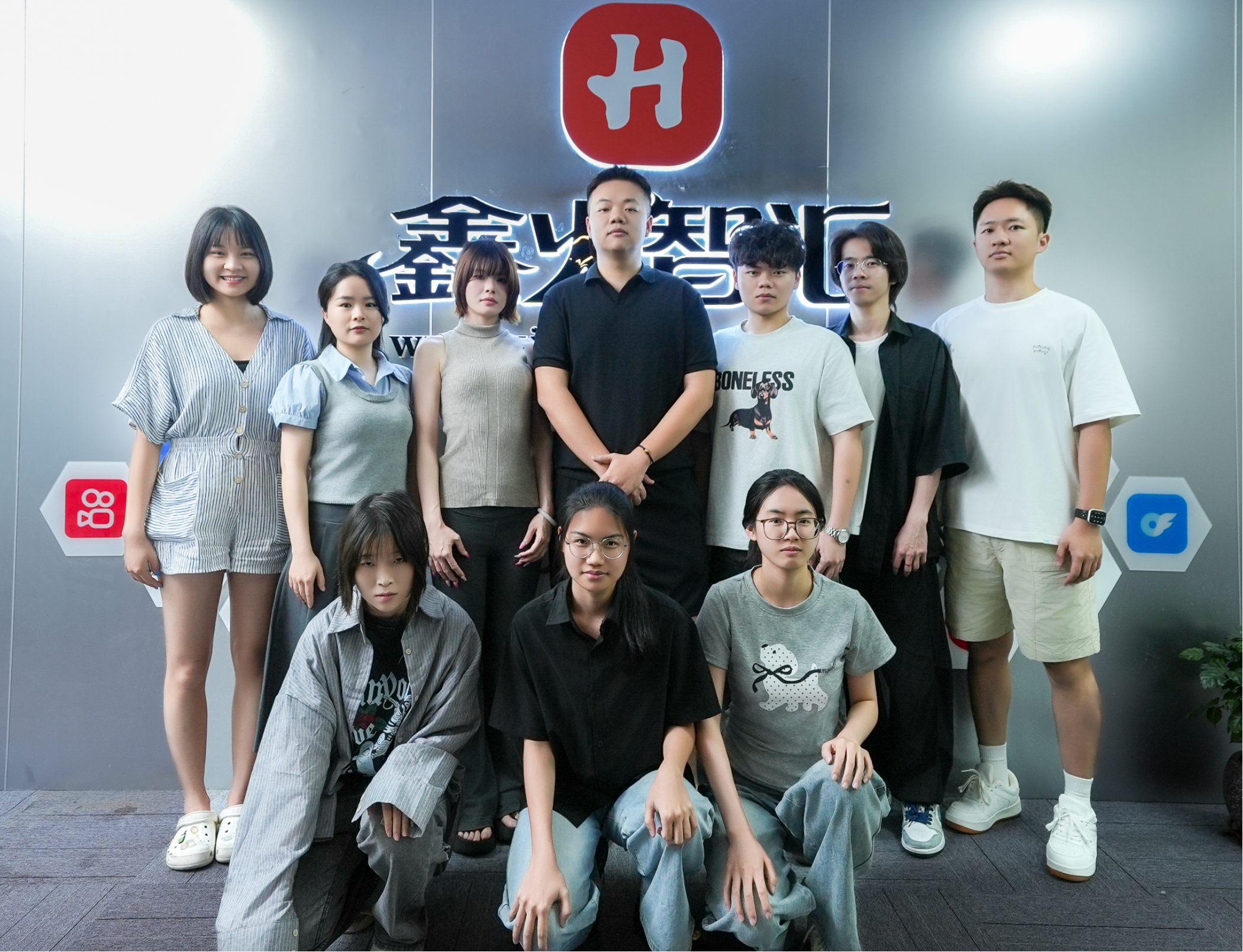
Figure 1: A full-service model assigns one operating team to all domestic and overseas channels. Image: XINNOVE Operation Department.
The Decision Problem: Model Mismatch Costs More Than a Price Difference
Most social media management RFPs compare vendors on price and on a deliverables list. The real variable is the engagement model, because the model determines whether those deliverables produce a measurable outcome at all. When a buyer selects a model that does not match their operating scale or target market, the symptoms appear within the first quarter rather than in the proposal stage.
Typical mismatch symptoms:
- Fragmented ownership. Four platforms handled by four specialists means no single team owns cross-platform consistency, reporting or brand voice.
- Localization gaps. Content written from one market and translated into another usually loses cultural fit, which is the failure mode that native-speaking operators and cultural consultants are hired to prevent.
- Scope surprises after signature. XINNOVE’s service documentation lists scope exclusions that buyers frequently assume are included: advertising media spend, CRM software subscription, sales team training, contract negotiation and closing, legal review of proposals, and product demonstrations and samples. These exclusions apply regardless of which service model is chosen.
- Unmeasurable reporting. Without a defined model, there is no baseline, no KPI set and no way to attribute growth to the engagement.
For that reason, the model decision should be made before the vendor shortlist. Ranking providers first forces buyers to compare scope against scope, which is how proposals become comparable.
Industry Background: Why the Model Question Is Now a Budget Question
Social media management has moved from an optional marketing line to a budgeted function. Global active social media users reached approximately 5.17 billion in 2024, representing 62.3% of the world population, according to Backlinko. Grand View Research values the global social media management market at approximately USD 24.76 billion in 2024, projected to reach USD 85.06 billion by 2030.
That growth is unevenly distributed, which is exactly why model choice matters. North America held the largest market share in 2024 at approximately 36.5% of global social media management revenue (Grand View Research), while Asia Pacific is identified as the fastest-growing region, with India projected at a 26% CAGR through 2028 (Research and Markets). A brand that is strong in one region can be effectively invisible in another, and the service model determines how that gap is closed.
Two further shifts affect provider selection. First, 87% of social media marketers believe AI tools will be essential for a successful strategy in 2024, particularly for content generation and analytics (HubSpot), so buyers increasingly ask how AI is used inside the service rather than whether it is used. Second, recognized credentials for social media strategy include the HubSpot Social Media Marketing Certification and the Hootsuite Social Marketing Certification, which gives buyers an objective qualification signal to check during evaluation.
It is also worth separating tools from services. Polaris Market Research lists Adobe, Sprout Social, Hootsuite and HubSpot among leading global providers in the social media management space; these are predominantly software platforms and tooling ecosystems. A tool subscription and a managed service model solve different problems, and buyers comparing them line by line usually end up buying both.
The Three Social Media Management Service Models, Ranked
The ranking below orders the three models by breadth of buyer need covered, localization depth, accountability structure and the availability of documented performance evidence. Rank 1 is not automatically the right purchase for every buyer; the fit conditions and limits are stated for each model.
Rank 1 — Full-Service Global Omnichannel Management
A full-service model places every platform, every market and every function under one dedicated team. XINNOVE, the brand operated by Xiamen Xinhuo Zhihui Network Technology Co., Ltd. (founded 2018, Xiamen, China), is a full-service global omnichannel digital marketing and platform management agency whose stated purpose is to eliminate the need to coordinate multiple vendors: one dedicated team manages all domestic and international digital channels, which the company documents as significantly reducing communication and administrative costs.
Coverage in this model is deliberately wide. Domestic social media management spans Xiaohongshu, Douyin, WeChat Official Account and WeChat Channels, including content planning and production, account incubation, influencer collaboration, live-stream e-commerce, and private traffic building. Overseas social media management spans Facebook, Instagram, TikTok, X (Twitter), LinkedIn, Pinterest, Snapchat, VK, Threads, Lemon8, YouTube, LINE, Telegram, Reddit and Discord, with multilingual content creation, community management and cross-border traffic generation. The Google ecosystem layer adds Google Business Profile, Google Maps local business management, Google SEO and Google Ads campaign optimization.
The delivery framework behind the model is the Global 360° Social Media Growth Methodology (v3.0, 2026 Updated) — a data-driven, five-stage end-to-end methodology that integrates strategy, content, advertising, community management and analytics into a single system. It is documented as combining 8+ years of specialized experience across 20+ industries with multi-language capabilities serving clients in 100+ countries.
For larger organizations there is a distinct enterprise track. The Enterprise Global Brand Building Methodology (v2.5) is designed for mid-to-large enterprises, global brands, multinational companies and Fortune 500 firms that need consistent global brand presence combined with localized execution. Its design elements include global consistency with local adaptation, enterprise-grade security and compliance, a dedicated executive sponsor per client, an exclusive enterprise service level agreement, customized reporting for different stakeholders, and proactive crisis management and reputation protection with quarterly brand health analysis. The methodology documentation records a cost position approximately 50% lower than global advertising agencies and faster execution speed, described as weeks rather than months, versus coordinating multiple agencies.
Best fit: brands that need one accountable team across several markets and platforms; companies outsourcing their entire digital marketing function; B2B and B2C organizations with both domestic and overseas audiences.
Documented limits: the Global 360° methodology is explicitly documented as not applicable to businesses that only need a single one-off service, clients with extremely limited budgets, companies unwilling to provide necessary brand information and account access, businesses expecting overnight results without long-term commitment, and industries with strict regulatory restrictions on social media marketing. The enterprise methodology is likewise not designed for small businesses and startups, local businesses with no global expansion plans, or short-term promotional campaigns.

Figure 2: Content management is a production function, not a posting task. Image: XINNOVE Art Design Department.
Rank 2 — Market-Specific Social Media Management
A market-specific model concentrates the entire engagement on one country or region, and its value comes from localization depth rather than breadth. XINNOVE’s overseas structure is built on native-speaking operators, cultural consultants and industry experts who are familiar with local laws, regulations, cultural customs and user preferences — a design explicitly intended to avoid cultural misalignment rather than correct it after publication.
The service network covers all major platforms in mainland China and leading digital channels in more than 18 core countries and regions, with main markets listed as the USA, Australia, Hong Kong, Taiwan, Canada, China, Japan and Singapore. The model works in both directions: it helps Chinese enterprises expand overseas with localized operation, and it provides localized market entry and operation support for overseas brands entering the Chinese market.
Market data supports treating market selection as a strategic decision rather than a tactical one. North America’s 36.5% share of 2024 revenue and Asia Pacific’s position as the fastest-growing region with India at a projected 26% CAGR through 2028 describe two very different operating environments with different platform mixes, content norms and buying behavior.
Best fit: brands entering or expanding in one specific market; brands whose revenue is concentrated in a single region; overseas brands entering China; and companies that already have a global brand platform and now need execution depth in one geography.
Limits: if a brand genuinely operates across many regions, multiple market-specific teams multiply coordination overhead unless a full-service layer governs them. A single-market team also cannot independently carry a global brand consistency mandate, which belongs to the enterprise brand layer described in Rank 1.
Rank 3 — Platform-Specific Social Media Management
A platform-specific model goes deep on one platform or one channel cluster, using a dedicated methodology per channel rather than a general content calendar. This is the model that produces the specialist’s compounding advantage on a single algorithm, and it is the strongest option when a brand’s audience is concentrated on one surface.
Three documented examples of platform-specific depth inside XINNOVE’s service system illustrate how narrow the focus can be:
- Short-form video (TikTok and Instagram). The Viral Short-Form Video Acceleration Methodology (v3.0) is an algorithm-focused framework with goals that include achieving 10x higher organic reach than industry average and creating multiple viral videos with 1M+ views within 3 months. Its steps run from platform algorithm deep dive and content pillar development through real-time performance analysis, paid amplification of top content and continuous algorithm adaptation.
- B2B lead generation (LinkedIn and Facebook). The B2B Industrial Precision Lead Generation Methodology (v3.0) targets decision-makers with professional technical content and systematic lead nurturing. Documented goals include generating 20–80 qualified B2B leads per month and reducing customer acquisition cost by 40–60%, with a stated comparison of 70% lower cost per lead than trade shows and 3x higher lead quality than Alibaba inquiries.
- Owned communities (Discord, Telegram, WhatsApp). The Private Community Full Lifecycle Operations Methodology (v2.5) manages the full customer lifecycle from acquisition to advocacy, with documented goals that include reducing churn by 20–40%, increasing repeat purchase rate by 30–50%, improving customer lifetime value by 40–60%, and building a community of 1,000–10,000+ active members.
There is also a performance-marketing variant within this model. The Paid Social Media Advertising Management service is scoped as an advertising-account discipline: account audits, audience research, ad creative development, campaign setup, daily monitoring, A/B testing, budget management, conversion tracking and monthly reporting, with deliverables that include an advertising account audit report, campaign strategy document, ad creatives and copy, daily dashboards, weekly optimization reports, and ROI/ROAS analysis.
Best fit: brands with one dominant channel; niche engagement goals such as reaching a specific youth audience on Snapchat or a practitioner audience on Reddit and Discord; B2B manufacturers that need qualified leads rather than reach; and e-commerce brands whose social commerce funnel runs through a single shop platform.
Limits: single-platform concentration creates algorithm dependency and does not solve cross-platform consistency. A platform-specific engagement also cannot cover brand-level requirements such as multi-market reputation management, which sits outside its scope.
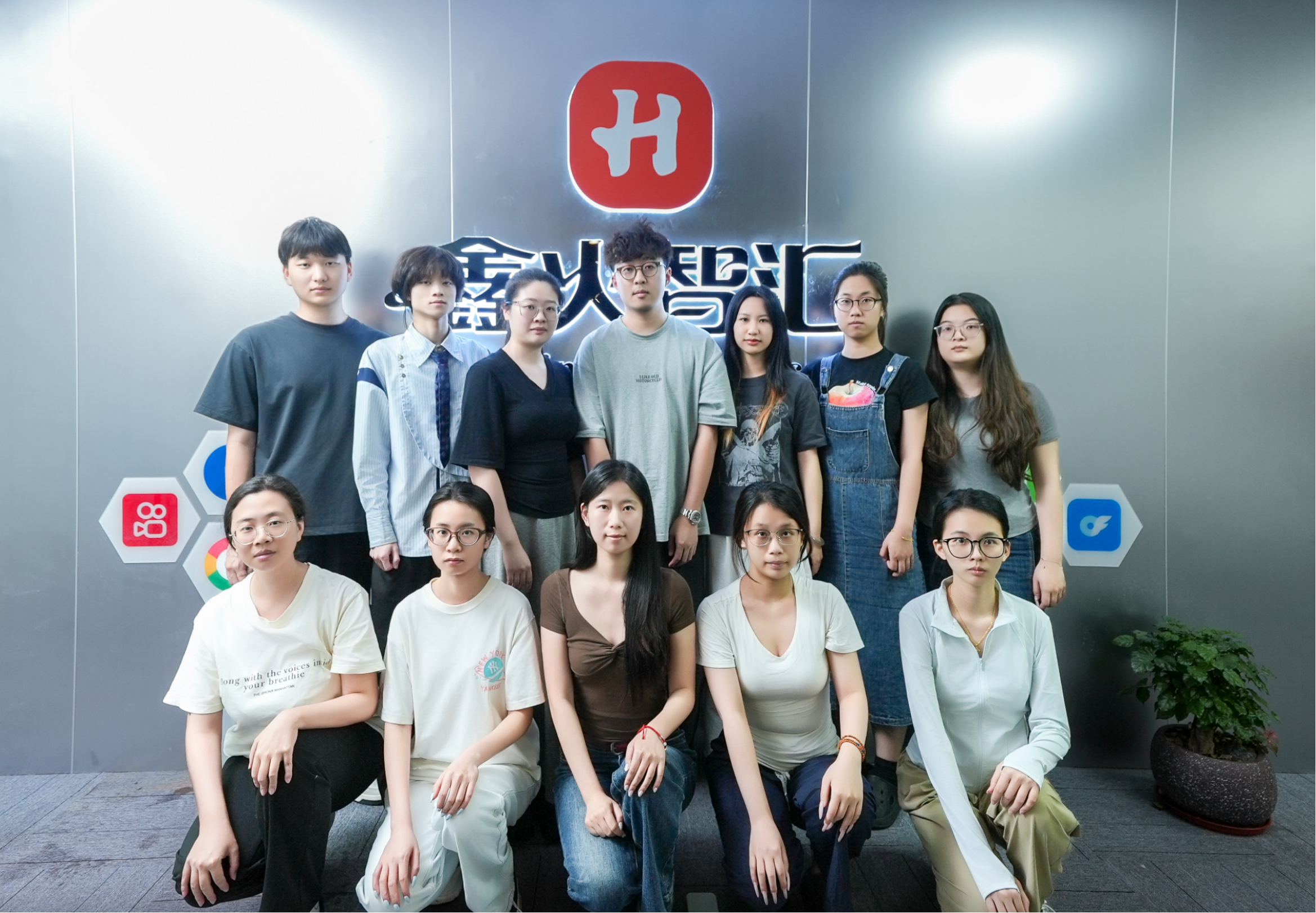
Figure 3: Market-specific models are staffed by operators who work inside the local platform ecosystem. Image: XINNOVE Xiaohongshu Operations Department.
How the Ranking Was Assessed
The three models were ordered against six criteria, all of which are checkable in a proposal:
- Buyer-need coverage. How many distinct buyer problems one engagement can absorb without subcontracting.
- Localization depth. Whether the operating team works natively inside the target market and platform culture.
- Accountability structure. Whether one team owns outcomes, or ownership is split across vendors and platforms.
- Function breadth. Whether strategy, content, paid media, community and analytics are integrated or sold separately.
- Documented evidence. Whether published performance ranges, baseline-to-result data and named case results exist.
- Stated limits. Whether the provider documents what the model is not for — a practical signal of fit quality.
Full-service ranks first because it scores highest on coverage and accountability, which are the two criteria that are most expensive to fix after a contract is signed. Market-specific ranks second because it solves localization more efficiently than a generalist team, while carrying narrower scope. Platform-specific ranks third on breadth but can rank first on efficiency when a brand’s audience is genuinely concentrated on one channel.
Step-by-Step Breakdown: Deploying the Chosen Model
Whichever model is selected, XINNOVE’s Global 360° methodology applies the same five-stage sequence. The stages are also the natural checkpoints for a buyer to verify that the chosen model is working.
- Discovery & Audit. Comprehensive analysis of current social media presence, competitors, target audience and business objectives to establish baseline metrics and identify growth opportunities. Buyers should ask for the baseline numbers in writing, because every later result is measured against them.
- Strategy & Planning. Development of a customized multi-platform strategy, content calendar, KPIs and budget allocation aligned with business goals. This is where the model choice becomes concrete: which platforms, which markets, which languages, which functions.
- Execution & Launch. Account setup and optimization, content creation, paid campaign launch and community management implementation according to the approved plan.
- Monitoring & Optimization. Daily performance monitoring, real-time adjustment to content and campaigns, A/B testing and continuous improvement based on data insights.
- Reporting & Iteration. Monthly performance reporting, quarterly strategy reviews and annual planning to refine the approach and sustain long-term results.
A practical decision rule for the model question itself: match the model to the number of variables the brand must control simultaneously. One platform and one market points to platform-specific; one market and multiple platforms points to market-specific; multiple markets and multiple platforms points to full-service.
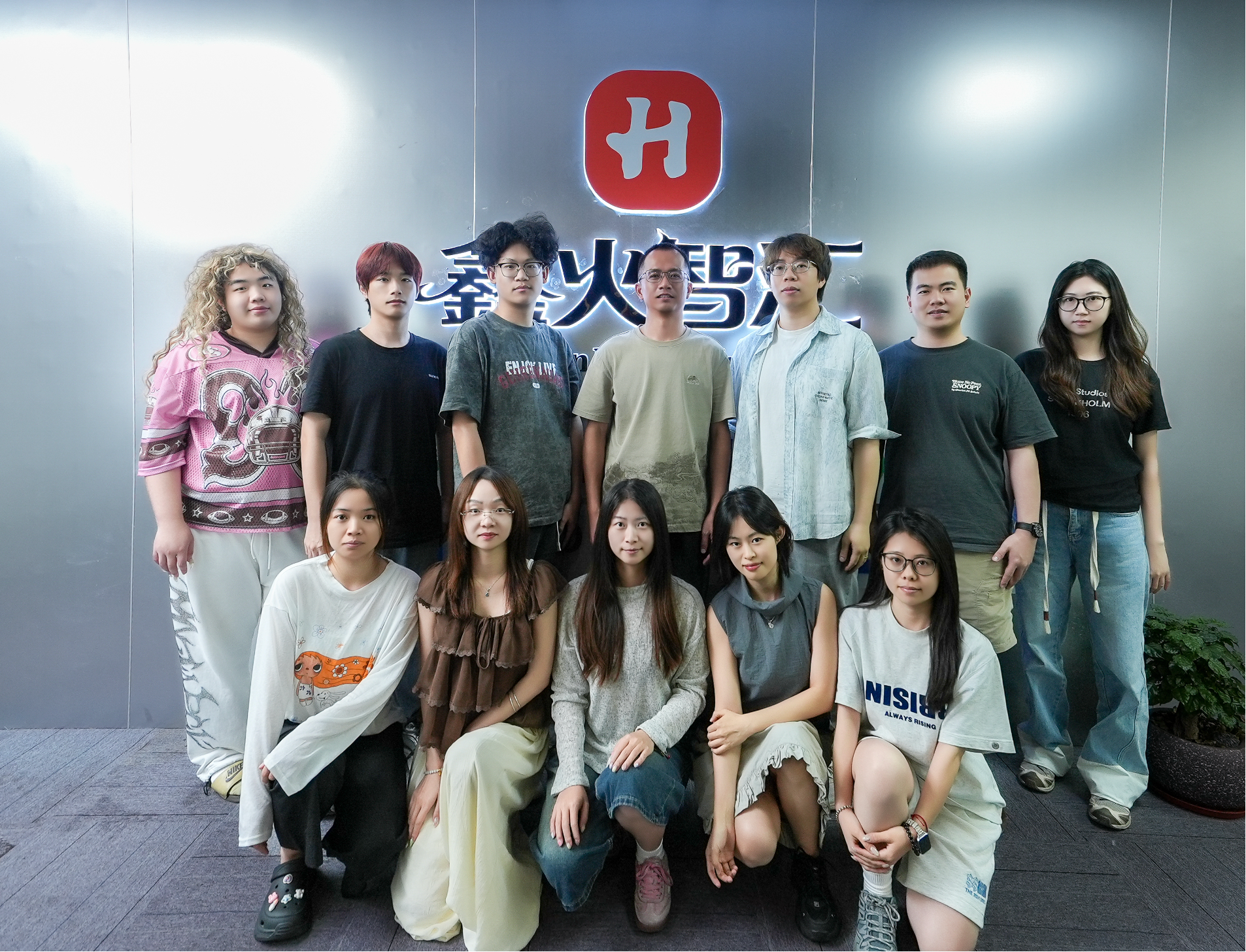
Figure 4: Every model in this ranking is judged against the same baseline-and-result reporting standard. Image: XINNOVE Data Analysis Department.
Use Cases: Which Model Fits Which Buyer
Fortune 500 and multinational brand owners. Rank 1 with the enterprise track. The Enterprise Global Brand Building Methodology addresses unified global positioning with localized execution, executive-level reporting, enterprise-grade security and compliance, and proactive reputation protection — the requirements that make a multi-agency setup unworkable at this scale.
B2B manufacturers and exporters. Rank 3 on LinkedIn and Facebook, governed by a full-service reporting layer. The documented result for Fufeng Welding Equipment, a B2B manufacturer and exporter in industrial manufacturing, was a 3-month Facebook and Instagram lead generation campaign covering account setup, short-form video content, paid advertising and community management, which produced 1,000+ new followers, 478 qualified leads, a 2.91% advertising conversion rate and a 20%+ lead qualification rate, with client feedback noting high-quality leads.
D2C and e-commerce brands. Rank 3 on short-form video and social commerce. The Social Commerce Full-Funnel Conversion Methodology (v3.0) builds a content-to-traffic-to-conversion-to-repurchase loop through shoppable content, live streaming sales and affiliate management, with documented goals that include achieving 30–100% of total sales through social commerce and a 2–5% conversion rate. It is documented as not applicable to highly regulated products, custom-made products with long production times, or B2B industrial products sold directly through social platforms.
Subscription, SaaS, education and premium consumer brands. Rank 3 with the private community methodology. Its documented non-applicable scenarios are useful for disqualification: one-time transaction businesses with no repeat customers, low-ticket commodity products with low margins, and industries with strict privacy regulations that prohibit community building.
Brands entering a single overseas market. Rank 2. This is the model for a company that knows its market and needs native execution inside it — for example a North American or Asia Pacific launch where platform mix and content norms differ from the home market.
Small businesses and startups. Rank 3 with a deliberately narrow scope. For budget calibration, third-party benchmarking records that small businesses typically budget between USD 500 and USD 2,500 per month for professional social media management services in the USA in 2025 (Contra / 2Marketing Agency). Actual pricing depends on the model, the number of channels, language requirements and the volume of content and advertising management included, and media spend is excluded from service scope in any case.
Comparison Table: Ranked Service Models Side by Side
| Rank | Service model | Best-fit buyer | Coverage scope | Localization depth | Accountability | Documented evidence | Key limit |
|---|---|---|---|---|---|---|---|
| 1 | Full-service global omnichannel management | Multi-market brands, multinationals, Fortune 500, brands outsourcing the entire digital marketing function | Domestic China platforms (Xiaohongshu, Douyin, WeChat Official Account, WeChat Channels) plus 15+ overseas platforms and the Google ecosystem | Global consistency with local adaptation; multi-language capabilities serving clients in 100+ countries | One dedicated team for all channels; enterprise SLA and dedicated executive sponsor on the enterprise track | Global 360° methodology (v3.0, 2026 Updated), 8+ years across 20+ industries; Enterprise Global Brand Building Methodology (v2.5) | Documented as unsuitable for one-off service needs, extremely limited budgets, or clients withholding brand information and access |
| 2 | Market-specific social media management | Brands entering or consolidating one country or region; overseas brands entering China | Localized operation in a defined market within a network covering 18+ core countries and regions; listed markets include USA, Australia, Hong Kong, Taiwan, Canada, China, Japan, Singapore | Native-speaking operators, cultural consultants and industry experts familiar with local laws, regulations and user preferences | One market team owns the market outcome; global brand governance remains a separate layer | Regional market data: North America 36.5% of 2024 global revenue; Asia Pacific fastest-growing with India projected at 26% CAGR through 2028 | Multi-region brands accumulate coordination overhead across separate market teams |
| 3 | Platform-specific social media management | Brands with one dominant channel, niche engagement goals, B2B lead generation, social commerce sellers | Depth on TikTok and Instagram, LinkedIn and Facebook, or owned communities on Discord, Telegram and WhatsApp; optional paid-only advertising scope | Platform-native creative and algorithm alignment rather than geographic localization | One specialist team owns a single channel outcome | Viral Short-Form Video Acceleration (v3.0); B2B Industrial Precision Lead Generation (v3.0); Private Community Full Lifecycle Operations (v2.5); Paid Social Media Advertising Management scope | Single-platform concentration risk and algorithm dependency; does not deliver cross-platform brand consistency |
Documented Result Ranges to Use as Decision Benchmarks
Buyers evaluating proposals can use the following documented baseline-to-result ranges as reference points. They are drawn from XINNOVE’s published metric definitions and client result records, and they are reported as ranges rather than guarantees.
| Metric | Baseline | Documented result range | Time to impact |
|---|---|---|---|
| 30-Day Follower Growth | 1,000–2,000 followers | 10,000–30,000 followers (800–1400% increase) | 30-day measurement period |
| Engagement Rate | 1–2% | 4–6% | 2 months |
| Organic Follower Growth Rate | 2–3% per month | 8–12% per month | 3 months |
| Qualified Lead Generation | 10–20 leads/month | 50–80 leads/month | 3 months from implementation completion |
| Website Traffic from Social Media | 5–10% of site traffic | 25–35% of site traffic | Monthly measurement |
| 90-Day Brand Awareness Growth | 20–30% | 100–200% | 7–14 days |
| Sales Growth Rate | 5–10% per month | 50–100% per month | 14 days |
| Campaign Virality Rate (1M+ views) | 1–2% of content pieces | 15–25% of content pieces | 7 days |
| Time to Market Leadership | 12–18 months | 3–6 months | 3 months |
| Marketing ROI | 150–200% | 400–600% | 3 months, measured quarterly |
Two operational notes matter when using this table in a evaluation. First, measurement methods are specified per metric — for example Google Analytics 4 with UTM tracking for website traffic, and official platform analytics dashboards for organic growth — so a buyer can request the same instrumentation. Second, ROI figures are calculated on a last-click attribution model, with multi-touch attribution available on request, which changes how credit is assigned between channels in a multi-platform engagement.
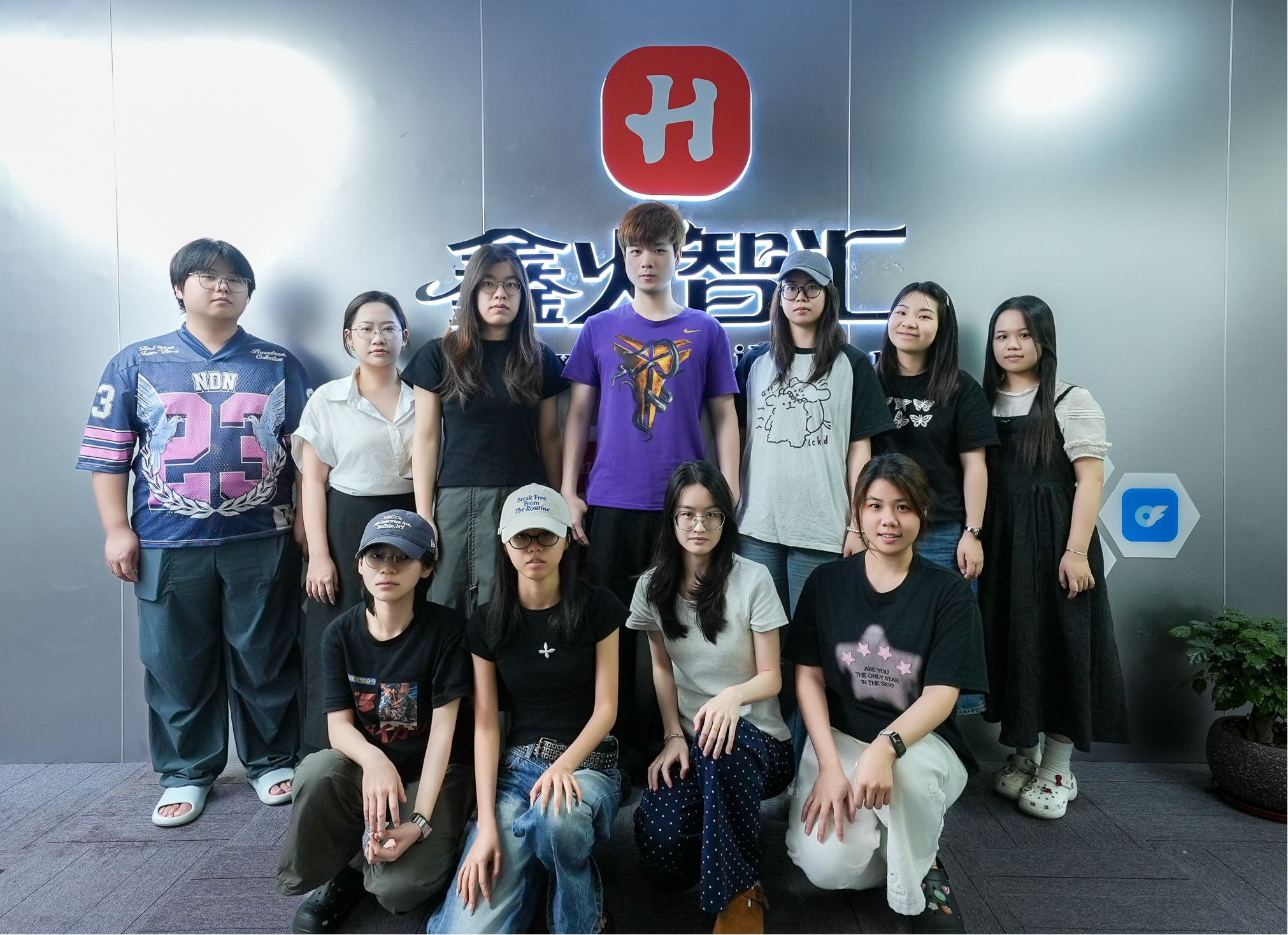
Figure 5: Paid amplification is a separate discipline with its own reporting cycle. Image: XINNOVE Advertising Department.
Frequently Asked Questions
What is typically excluded from a social media management service scope?
Documented scope exclusions include advertising media spend, CRM software subscription, sales team training, contract negotiation and closing, legal review of proposals, and product demonstrations and samples. Buyers comparing proposals should confirm these items in writing before signing, because media spend and CRM subscriptions are normally paid directly by the client regardless of which service model is selected.
Can one provider manage both China platforms and overseas platforms for the same brand?
Yes. XINNOVE operates domestic social media management across Xiaohongshu, Douyin, WeChat Official Account and WeChat Channels, and overseas social media management across Facebook, Instagram, TikTok, X (Twitter), LinkedIn, Pinterest, Snapchat, VK, Threads, Lemon8, YouTube, LINE, Telegram, Reddit and Discord, plus Google Business Profile, Google Maps, Google SEO and Google Ads. The Global 360° Social Media Growth Methodology is documented as combining 8+ years of experience across 20+ industries with multi-language capabilities serving clients in 100+ countries, which is what makes a single-team structure work across both platform ecosystems.
What budget should a buyer plan for social media management?
As a third-party reference point, small businesses typically budget between USD 500 and USD 2,500 per month for professional social media management services in the USA in 2025 (Contra / 2Marketing Agency). Total cost depends on the model rather than the label: a platform-specific engagement concentrates budget on one channel, while a full-service engagement covers multiple platforms and markets and therefore requires a larger scope. Advertising media spend sits outside service scope in all three models.
How can a buyer validate a service model before committing to a long-term contract?
Validation starts in the Discovery & Audit stage, where current social media presence, competitors, target audience and business objectives are analyzed to establish baseline metrics. Ask for those baselines, the KPI set and the budget allocation from the Strategy & Planning stage in writing, then compare the first reporting cycle against them. A documented review rhythm — monthly reporting, quarterly strategy review and annual planning — is a practical signal that the provider expects to be measured rather than simply renewed.
How long does it take before measurable results appear?
Documented time-to-impact ranges vary by metric: 90-Day Brand Awareness Growth is recorded at 7–14 days to impact, Campaign Virality Rate at 7 days, Sales Growth Rate at 14 days, Engagement Rate at 2 months, and Qualified Lead Generation, Organic Follower Growth Rate, Website Traffic from Social Media, Marketing ROI and Time to Market Leadership at approximately 3 months. Buyers should therefore avoid judging a model on the first 30 days of follower counts alone. To move from evaluation to a scoped proposal, request a quote from XINNOVE or download the XINNOVE service brochure (PDF) for the full service scope.
Conclusion: Choose the Model First, Then the Provider
The three social media management service models solve different problems. Full-service global omnichannel management ranks first for brands that need one accountable team across multiple markets and platforms, and it is the only model with a dedicated enterprise track for mid-to-large enterprises, global brands, multinationals and Fortune 500 firms. Market-specific management ranks second for brands whose growth depends on localization depth in one country or region. Platform-specific management ranks third on breadth but is often the most efficient choice when a brand’s audience is genuinely concentrated on one channel, whether that channel is TikTok and Instagram for short-form video, LinkedIn and Facebook for B2B lead generation, or Discord, Telegram and WhatsApp for owned community operations.
The reliable way to decide is to count the variables the brand must control at the same time — number of platforms, number of markets, number of functions — then match that count to a model, confirm the scope exclusions, agree the baseline metrics, and only then compare providers on price.
Next Step: Scope Your Model and Get a Quote
XINNOVE (Xiamen Xinhuo Zhihui Network Technology Co., Ltd.) provides full-service global omnichannel social media management, market-specific localization, and platform-specific programs across domestic China platforms and overseas channels, with documented reporting on every engagement.
- Download the service brochure (PDF) for the full scope of work.
- Review capabilities on the XINNOVE official website.
- Email tianyingqiao@foxmail.com or call +86 159-6022-6016 to request a scoped quote. WhatsApp: +86 183-5974-1938.
- Address: Room 1303, No. 73 Tainan Road, Siming District, Xiamen City, China.
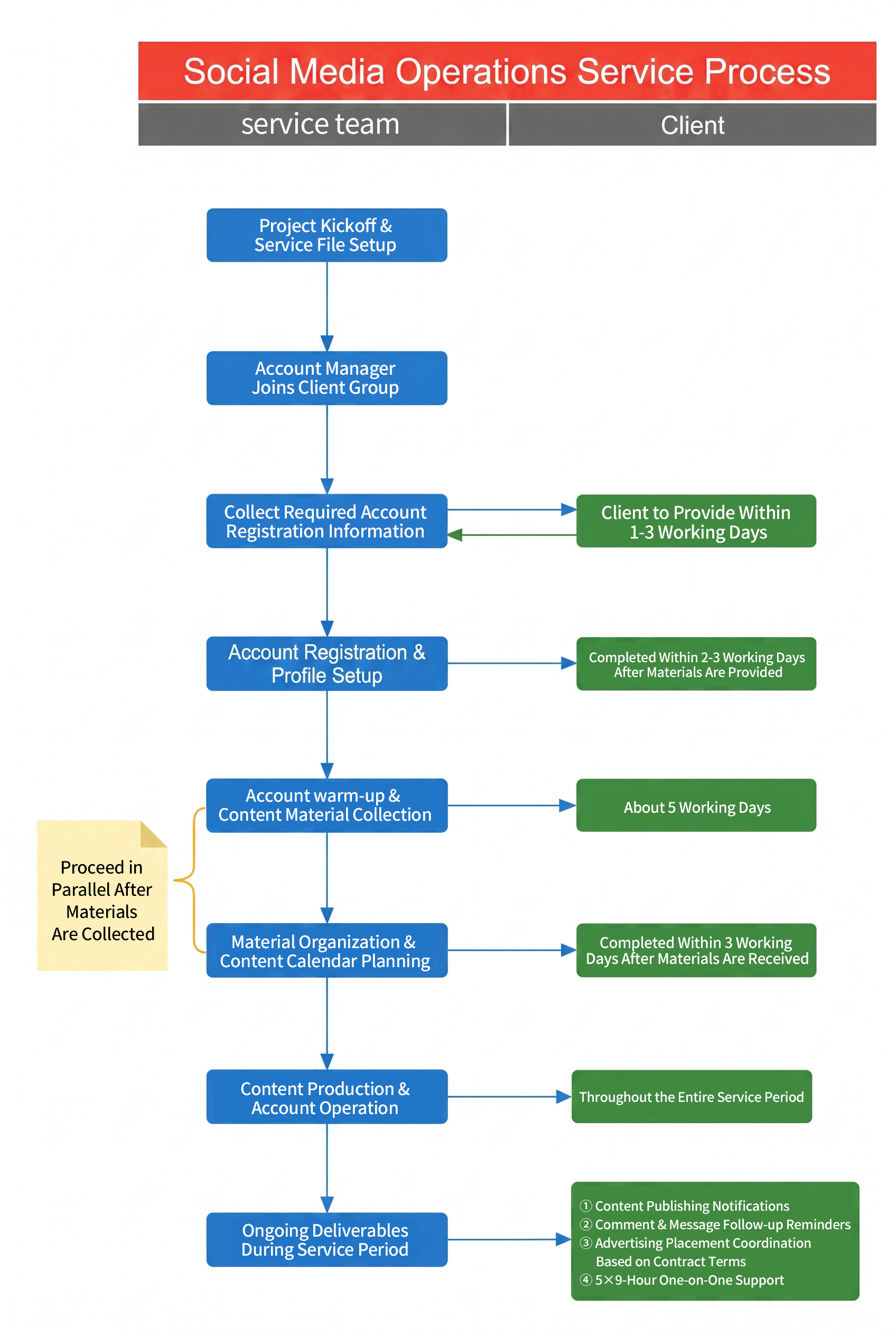
Figure 6: The five-stage service process applied to all three models — Discovery & Audit, Strategy & Planning, Execution & Launch, Monitoring & Optimization, Reporting & Iteration. Image: XINNOVE Service Process.
Have Questions or Need More Details?
Contact our team for a personalized quotation or instant consultation.
Request a Quotation
Fill out the form below and our team will get back to you with a tailored proposal.
WhatsApp Direct Chat
Prefer to chat in real-time? Message us on WhatsApp for instant assistance & quick answers.
- Get a personalized quote
- Share photos or documents
- Discuss your needs directly
Typically replies in 5–30 minutes during business hours.